
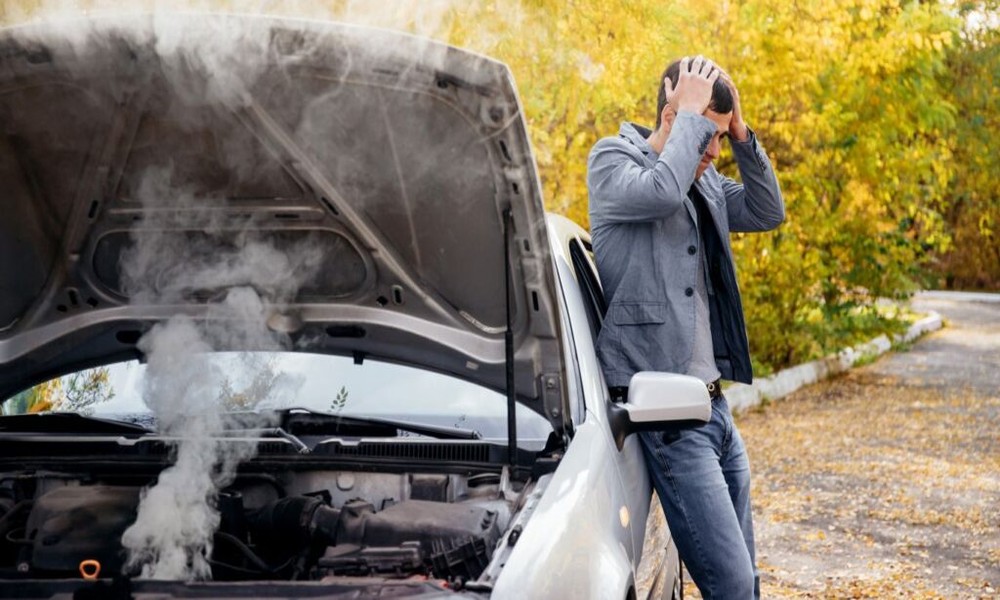
Your vehicle’s transmission is one of its most critical components, responsible for transferring power from the engine to the wheels. When transmission problems develop, they rarely fix themselves. Instead, minor issues often escalate into major repairs that can cost thousands of dollars. Recognizing the early warning signs can save you significant money and prevent you from being stranded on the side of the road.
1. Delayed or Rough Shifting
One of the most common indicators of transmission trouble is when your vehicle hesitates or struggles to shift gears. In an automatic transmission, you might notice a pause of one to two seconds when shifting from park to drive, or the vehicle might jerk or lurch when changing gears during acceleration.
What this really means: Delayed shifting often points to low transmission fluid levels, worn clutch components, or failing solenoids that control gear changes. The transmission relies on precise hydraulic pressure to engage gears smoothly. When this pressure drops or becomes inconsistent, shifting becomes erratic. If you experience this symptom, checking your transmission fluid level should be your first step. However, if the fluid level appears normal, internal components may be wearing out and professional diagnostics are necessary.
2. Slipping Gears
Transmission slipping occurs when your vehicle unexpectedly changes gears or seems to pop out of gear while driving. You might feel the engine revving higher than normal without a corresponding increase in speed, or the vehicle might suddenly lose power during acceleration.
What this really means: Slipping typically indicates worn clutch plates, damaged gear bands, or contaminated transmission fluid that can no longer provide adequate friction. This symptom is particularly dangerous because it can cause sudden loss of power in traffic situations. Modern transmissions are precision instruments with multiple clutch packs that engage and disengage to facilitate gear changes. When these components wear down, they cannot maintain the grip necessary to transfer power effectively. This condition will worsen over time and requires immediate professional attention.
3. Burning Smell
A distinct burning odor coming from your vehicle, particularly one that smells like burning rubber or overheated metal, should never be ignored. This smell often becomes more noticeable after driving in stop-and-go traffic or towing heavy loads.
What this really means: That burning smell usually indicates overheating transmission fluid. Transmission fluid serves dual purposes by both lubricating moving parts and cooling the transmission system. When fluid levels drop too low, becomes contaminated with debris, or breaks down from age, it loses its ability to dissipate heat effectively. Overheated fluid turns dark brown or black and develops a burnt odor. Continued driving with overheated transmission fluid can cause severe internal damage as metal components grind against each other without proper lubrication. This problem requires immediate inspection to prevent catastrophic transmission failure.
4. Fluid Leaks Underneath Your Vehicle
Discovering red or brown fluid pooled under your parked vehicle is a clear sign of transmission trouble. Transmission fluid is typically bright red when new and darkens to brown as it ages. Unlike engine oil, it has a slightly sweet smell and a slicker consistency.
What this really means: Transmission leaks commonly develop from worn seals, damaged gaskets, or loose pan bolts. Even small leaks are problematic because transmissions require specific fluid levels to function properly. Running low on fluid causes increased friction, overheating, and accelerated wear on internal components. The location of the leak can help identify the problem. Leaks near the front might indicate a faulty torque converter seal, while leaks from the middle could point to a compromised pan gasket. Regardless of location, any leak demands prompt repair before fluid levels drop to dangerous levels.
5. Strange Noises
Unusual sounds from your transmission can range from grinding and clunking to whining or humming. These noises might occur only during specific actions like shifting gears, accelerating, or when the vehicle is in neutral.
What this really means: Different sounds indicate different problems. Grinding or clunking often suggests worn gears or a failing synchronizer in manual transmissions. Whining or humming typically points to bearing problems or insufficient fluid levels. A clunk when shifting into drive or reverse might indicate worn motor mounts allowing excessive movement, or it could signal problems with the torque converter. These sounds represent mechanical components that are either misaligned, damaged, or operating without proper lubrication.
Take Action Before It’s Too Late
If you notice any of these warning signs, prompt action is essential. Delaying repairs typically results in more extensive damage and higher costs. At Mountain Transmission Centers, experienced technicians can diagnose transmission issues accurately and recommend the most cost-effective solution, whether that involves a simple fluid change or more extensive repairs. Your transmission gives you plenty of warnings before complete failure. Paying attention to these signs and seeking professional help early can extend your transmission’s life and keep you safely on the road.

Comments are closed.