
Category

Finance

Category

Contract for Difference trading, more commonly known as CFD trading, has become an increasingly prominent feature of modern financial markets. Its appeal lies in accessibility, flexibility, and the ability to participate in global market movements without owning the underlying asset. For many traders, CFDs represent a bridge between traditional investing and more dynamic trading strategies. Understanding how they work beneath the surface is essential for anyone seeking to engage with them responsibly and confidently.

This article explores the mechanics behind CFD trading, breaking down how these instruments function, what drives their pricing, and why risk management plays such a central role. Rather than focusing on hype, the aim here is to provide clarity, context, and practical insight.

Understanding What a Contract for Difference Is

At its core, a Contract for Difference is an agreement between a trader and a broker to exchange the difference in the price of an asset between the time the position is opened and when it is closed. The asset itself is never owned. Instead, the trader is speculating on whether the price will rise or fall.

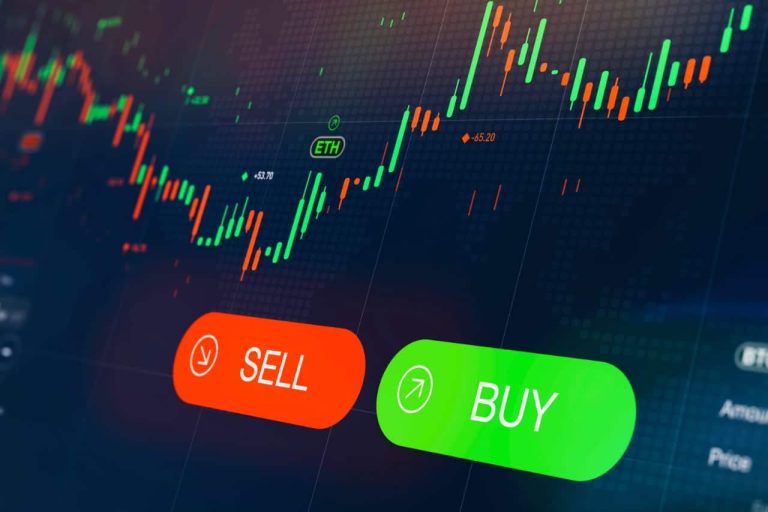
If the trader believes the price will increase, they open a buy position. If they expect a decline, they open a sell position. When the position is closed, the difference between the opening and closing prices determines the profit or loss.

This structure allows CFDs to be applied to a wide range of markets, including shares, indices, commodities, forex, and cryptocurrencies. The mechanics remain consistent regardless of the market, which is one reason CFDs are often seen as a versatile trading instrument.

How Pricing Works in CFD Trading

CFD prices are derived directly from the underlying market. Brokers mirror the real-time bid and ask prices of the asset and apply them to the CFD contract. The spread, which is the difference between the buy and sell price, represents one of the primary costs of trading CFDs.

Because CFDs track live market prices, they respond instantly to economic data releases, geopolitical developments, earnings reports, and broader market sentiment. This real-time responsiveness is central to CFD trading but also contributes to its volatility.

Another important factor is overnight financing, sometimes referred to as a swap or rollover fee. When a CFD position is held open overnight, the trader either pays or receives interest depending on the direction of the trade and prevailing interest rates. This element reflects the leveraged nature of CFDs and is an important consideration for longer-term positions.

The Role of Leverage and Margin

Leverage is one of the defining mechanics of CFD trading. It allows traders to control a larger position with a smaller initial deposit, known as margin. For example, with leverage of 10:1, a trader can open a position worth $10,000 with just $1,000 in margin.

While leverage amplifies potential profits, it also magnifies losses. A small market movement against a leveraged position can result in significant losses relative to the initial margin. This is why margin requirements, margin calls, and stop-out levels are integral to the CFD framework.

Brokers require traders to maintain a minimum level of equity in their accounts. If losses reduce the account balance below this threshold, a margin call may occur, prompting the trader to add funds or close positions. Understanding how margin works is not optional in CFD trading. It is foundational.

Going Long and Short With Equal Ease

One of the most practical mechanics of CFD trading is the ability to profit from both rising and falling markets. Traditional investing often emphasises buying assets with the expectation of long-term growth. CFDs, by contrast, make short-selling just as straightforward as buying.

This flexibility is particularly valuable during periods of market uncertainty or economic slowdown. Traders can position themselves based on anticipated declines in indices, currencies, or commodities without borrowing assets or navigating complex short-selling rules.

Execution, Liquidity, and Market Access

CFD trades are executed electronically through online platforms. Speed and reliability are critical, especially for traders who operate on shorter timeframes. Because CFDs are over-the-counter products, liquidity is provided by the broker, often supported by multiple liquidity providers.

This setup allows access to global markets from a single trading account. A trader can move from trading European indices in the morning to US equities in the afternoon and forex pairs overnight. The mechanics behind this access are complex, but the user experience is designed to feel seamless.

Many traders choose platforms offered by established providers such as ADS Securities, where infrastructure, pricing transparency, and execution quality are central to the trading environment. Educational resources and platform tools also play a role in helping traders better understand how CFD mechanics translate into real-world outcomes. Information and platform access are commonly explored through resources such as www.ads-securities.com, which traders often consult when researching CFD trading environments.

Conclusion: A Confident Perspective on CFD Trading Mechanics

The mechanics behind Contract for Difference trading reveal a financial instrument designed for adaptability and responsiveness. CFDs allow traders to engage with global markets, express both bullish and bearish views, and manage exposure through leverage and margin. At the same time, these same mechanics demand discipline, education, and respect for risk.

For traders willing to invest time in understanding how CFDs truly work, the experience can be both empowering and educational. Knowledge of pricing, leverage, execution, and risk management transforms CFD trading from speculation into a structured approach to market participation.

The US equity market plays a central role in shaping global financial trends. It represents companies that lead innovation, influence consumer behaviour, and set benchmarks across industries. For investors worldwide, the US market is often viewed as a reference point for global economic activity and corporate performance.

For Indian investors, engaging with the US market offers an opportunity to connect portfolios with businesses that operate at an international scale and contribute significantly to global growth.

Why the US Market Holds Global Significance

The size and depth of the US equity market distinguish it from other global exchanges. It hosts companies across nearly every major industry, many of which dominate their sectors worldwide.

Key factors contributing to its influence include:

  • Large and diverse market capitalisation
  • High participation from global investors
  • Strong regulatory and disclosure frameworks
  • Leadership in innovation-driven industries

These characteristics make the US market a cornerstone of global equity investing.

Exposure to International Business Leadership

US-listed companies often lead global markets in areas such as technology, healthcare, finance, and consumer services. Their products and services are used by individuals and businesses across continents.

For Indian investors, this translates into exposure to:

  • Global consumption patterns
  • Worldwide enterprise spending
  • International technology adoption

Such exposure aligns portfolios with global economic momentum rather than localised trends alone.

Portfolio Perspective for Indian Investors

From a portfolio standpoint, understanding How to Invest In US Market From India helps investors view global equities as an extension of long-term investment planning. The US market offers access to internationally diversified revenue streams, transparent corporate governance, and sectors that may be limited in domestic markets, making it a valuable component of globally aligned portfolios.

Transparency and Market Discipline

The US equity market is recognised for its emphasis on transparency and disciplined reporting. Companies are required to publish regular financial statements, earnings updates, and strategic disclosures.

This structured flow of information supports:

  • Objective evaluation of company performance
  • Easier comparison across industries
  • Informed long-term decision-making

Such discipline enhances investor confidence and supports sustained market participation.

Role of US Equities in Global Portfolio Construction

US equities are commonly used as a foundational element in globally diversified portfolios. While Indian markets capture domestic growth opportunities, US markets provide access to mature industries and global business leaders.

Together, they allow investors to:

  • Balance regional exposure
  • Participate in multiple growth cycles
  • Align portfolios with international economic trends

Conclusion

The US equity market represents a powerful gateway to global business leadership and economic influence. For Indian investors, aligning portfolios with this market offers access to internationally scaled companies, transparent governance standards, and diversified industry exposure.

By incorporating US equities into long-term investment strategies, investors can connect their portfolios with the broader global economy and its evolving growth opportunities.

FAQs

1. Why is the US equity market considered globally influential?
It hosts companies that lead innovation, set industry benchmarks, and influence global consumption and business trends across sectors.

2. How does investing in the US market benefit Indian investors?
It provides access to internationally operating companies and aligns portfolios with global economic activity beyond domestic markets.

3. What kind of exposure do US equities offer compared to Indian markets?
US equities offer exposure to global business leadership, international revenue streams, and sectors with worldwide reach.

4. Is the US market suitable for long-term investment strategies from India?
Yes, its transparency, scale, and diversified industries support long-term, globally aligned portfolio construction.

5. Should US equities replace Indian investments in a portfolio?
No, they are most effective when used alongside Indian equities to balance domestic growth with global opportunities.

In the world of currency trading, managing risk is as crucial as identifying opportunities. For GBP FX traders, the volatility of the British pound against other major currencies can present both rewarding gains and significant risks. While the allure of profit in forex trading is undeniable, the financial landscape is riddled with unpredictability. This is where hedging comes into play, offering traders a practical way to protect their positions and manage exposure in uncertain markets.

Understanding the core principles of hedging is essential before applying any strategies. Hedging is essentially a risk management technique that involves taking offsetting positions to reduce the potential impact of adverse price movements. In the context of forex, this means implementing trades that can counterbalance potential losses in your primary positions.

Why Hedging Matters for GBP Traders

The British pound is known for its sensitivity to geopolitical events, economic data releases, and central bank decisions. Events such as Brexit negotiations, Bank of England interest rate adjustments, or unexpected political developments can trigger rapid fluctuations. For a GBP trader, even small shifts in market sentiment can have amplified effects on positions.

Hedging provides a safety net. By implementing strategies that mitigate risk, traders can protect themselves from sudden swings that might otherwise erode profits or exacerbate losses. Hedging does not guarantee profit, but it helps maintain a balanced approach, ensuring that a single adverse movement does not derail an entire trading strategy. For traders with significant exposure to GBP, understanding hedging techniques is not just a precaution-it is an essential component of long-term success.

Common Hedging Strategies in Forex

One of the most straightforward techniques is the direct hedge. This involves taking two opposing positions in the same currency pair. For example, if a trader holds a long GBP/USD position and fears a short-term decline, they could simultaneously open a short position of equal size. This way, any loss on the initial trade may be offset by gains on the hedge. While simple, direct hedges require careful monitoring to avoid locking in unnecessary losses or missing potential gains.

Another approach is the correlated pair hedge. This technique uses two currency pairs with a strong historical correlation. For instance, GBP/USD and EUR/USD often move in tandem due to their shared exposure to the US dollar. A trader concerned about GBP volatility might take an opposing position in EUR/USD to offset potential risk in GBP/USD. Correlated pair hedges require a good understanding of market dynamics and correlation patterns, but they can be a flexible tool for sophisticated traders.

Learning what is hedging in forex can help traders identify the most suitable strategies and understand the mechanisms behind each approach. Incorporating such knowledge ensures that hedging is applied strategically rather than reactively, increasing its effectiveness in protecting positions.

Timing and Risk Management

Hedging is not just about choosing the right instrument-it is also about timing. Entering a hedge too early or too late can reduce its effectiveness. Traders must align hedging decisions with market conditions, economic data releases, and upcoming events that might influence GBP volatility.

Effective hedging also involves sizing positions appropriately. Over-hedging can limit profit potential, while under-hedging may leave exposure that defeats the purpose of risk management. For GBP traders, balancing hedge size with overall portfolio exposure is key. Risk management principles, such as setting stop-loss levels and monitoring margin requirements, remain essential even when hedging strategies are applied.

Psychological Benefits of Hedging

Beyond the technical advantages, hedging offers psychological relief for traders. Forex markets can be stressful, especially when trading highly volatile currencies like the pound. Knowing that hedges are in place allows traders to maintain discipline and avoid impulsive decisions driven by fear or greed. This mental stability can lead to more consistent performance over time and improve decision-making under pressure.

Traders often find that combining hedging with a long-term trading plan enhances confidence. Rather than reacting to every short-term fluctuation, they can focus on broader trends, knowing that risk mitigation strategies are actively managing potential downsides.

Practical Considerations

While hedging is an effective risk management tool, it comes with considerations. Transaction costs, spreads, and liquidity should all factor into the decision to hedge. Excessive hedging can erode returns if costs outweigh the benefits, so traders must evaluate the trade-off carefully.

Regulatory frameworks and broker-specific policies also play a role. Not all brokers allow certain types of hedging, and margin requirements may differ. GBP traders should ensure their trading environment supports the strategies they plan to implement.

Conclusion

For GBP FX traders, hedging is more than a safety mechanism-it is a cornerstone of disciplined trading. By implementing practical strategies, traders can mitigate risk, maintain flexibility, and navigate the inherent volatility of currency markets with greater confidence.

Whether through direct hedges, correlated pairs, or options, the goal is consistent: protect capital without sacrificing the opportunity to profit. Hedging does not eliminate risk, but it equips traders with the tools to face uncertainty strategically. By integrating hedging into their broader trading plan, GBP traders can pursue growth with prudence, transforming the unpredictable nature of forex markets into manageable, calculated opportunities.

The Nifty 50 and other benchmark indices are very important for figuring out how well the Indian stock market is doing as a whole. Nifty 50 Today shows how this index, which measures 50 large-cap firms from different sectors, is moving in real time. The GIFT Nifty Chart, which shows the Nifty 50 traded in an international financial center with longer hours, goes along with it. Looking at both gives you a whole picture: Nifty 50 shows movements in the Indian market during the day, and GIFT Nifty shows indications from around the world before the market opens. This general tutorial shows how to use technical, fundamental, and sentiment tools to assess them well. The Neo app from Kotak Securities has built-in charts that make it easy to keep an eye on things.

Learning the Basics

To look at Nifty 50 Today, start with its makeup. It shows how the different sectors, such finance, IT, and energy, are balanced by market capitalization. To find trends, daily analysis looks at the opening, high, low, and closing values. The GIFT Nifty Chart is a futures tool that depicts predicted changes. These changes are usually at a premium or discount to the spot index because of time value and sentiment. By taking into account global conditions, its graphic helps predict Nifty openings. Both are interrelated, and GIFT Nifty has an effect on early movements.

Factors of Sentiment and Fundamentals

Earnings seasons make moves bigger; good reports raise the index. FII flows or policy announcements might change the direction of the market during the day. Global fundamentals, such decisions made by the US Federal Reserve or oil prices, affect GIFT Nifty Chart analysis since they affect its futures pricing. It’s important to look at the VIX (volatility index) correlation. A high VIX with a dropping GIFT Nifty is a warning indication for Nifty. News sentiment tools look for headlines that are good or bad for both.

Better insights from combined analysis

Looking at both at the same time makes them more accurate. Use the GIFT Nifty Chart as a lead indicator. Its closing price sometimes sets the tone for Nifty Today through arbitrage. Divergences show things that aren’t normal: Local considerations may be more important if GIFT Nifty goes up but Nifty opens flat. Heatmaps indicate how much each sector contributes; the weights of banking stocks in Nifty are linked to bigger trends that are also seen in GIFT Nifty.

Backtesting techniques using charts from the past helps you improve your methods. For example, you may purchase Nifty calls when GIFT Nifty premiums go up. Stop-losses based on support levels from both charts are part of risk management.

In short, looking at the Nifty 50 Today and GIFT Nifty Chart mixes real-time data from India with predictions about the future, which helps you make smarter trades. Using tools like Kotak’s or other similar company’s platforms on a regular basis helps you get better.

Large purchases often exceed individual gift card balances, creating challenges when trying to use multiple cards simultaneously. Many retailers restrict payment splitting or limit how many cards apply to single transactions. These restrictions frustrate consumers holding several cards they want to use for major purchases. Tracking american express gift card balance across multiple cards helps plan purchase strategies that maximise redemption success. Different retailers enforce different policies requiring consumers to adapt approaches based on where they shop and what payment systems those merchants operate.

Online checkout advantages

E-commerce platforms generally permit multiple gift card entries during checkout processes. Retailers allow applying two to five cards toward a single order, depending on their system capabilities. Users enter the first card information, use available balance, then repeat for additional cards until the order totals are covered. Amazon accepts multiple cards, including credit cards, for remaining balances in single transactions. Users add cards to accounts permanently or enter them during specific checkouts. The system automatically calculates how many cards fully cover order amounts. Remaining balances stay associated with accounts for future purchases.

In-store limitations exist

Physical retail locations rarely permit multiple gift cards for a single transaction. Register systems lack programming supporting sequential card processing that online platforms handle easily. Cashiers cannot override these system limitations even when willing to help customers combine cards. Split tender transactions work at some retailers where systems support mixed payment types. Customers apply gift card balances first, then cover remaining amounts with credit cards or cash. This differs from using multiple gift cards simultaneously but achieves similar outcomes by exhausting card values.

Consolidation strategies work

Some retailers allow balance transfers from multiple cards onto a single card. This consolidates scattered balances into manageable single cards that cover larger purchases. The process requires customer service interaction but solves combination problems permanently. Purchasing new cards using existing cards as payment methods consolidates balances. Buying one hundred cards using two fifty-card combinations values into a single instrument. Not all retailers permit gift cards as payment for other gift cards, making this strategy location-dependent.

Small purchase depletion

Making small purchases separately exhausts cards individually before attempting large transactions. Buying ten items using ten different cards leaves zero balances but acquires the needed products. This approach works when purchasing multiple items anyway, rather than single expensive pieces. Consumable items like groceries, household supplies, or personal care products work well for depletion strategies. These purchases happen regularly regardless, so using gift cards redirects spending from other payment methods.

Resale marketplace options

Secondary markets accept multiple cards as trade-ins for single higher-value cards or cash. Consumers send several small-balance cards to exchange services. These platforms consolidate values minus service fees, returning single cards or direct payments. Exchange rates typically range from seventy to ninety per cent of combined card values. Services charge fees for consolidation work and assume risks of fraud or invalid cards. This convenience costs money but solves combination problems that retailers will not address.

Restaurant table splitting

Dining groups split bills across multiple cards easily since restaurants process separate payments naturally. Each diner pays their portion using individual cards regardless of balance amounts. Coordinating orders to match card values approximately ensures full value usage without complicated math. Tipping strategies exhaust exact balances. Calculating tips that zero out cards perfectly requires arithmetic, but it eliminates waste from abandoned small balances. Servers receive appropriate gratuities while customers maximize card utility.

Hybrid payment approaches

Starting transactions with gift cards and finishing with credit cards works universally across retail environments:

  • Apply gift card balances to cover as much of the purchase totals as possible
  • System calculates the remaining amounts after gift card depletion
  • Credit cards or cash cover differences between card values and final totals
  • Transaction completes successfully using multiple funding sources seamlessly
  • All payment types are processed through a single transaction rather than separate purchases

This method exhausts gift card values completely while ensuring sufficient total payment regardless of how many cards get used or what balances they carry individually.

Combining multiple gift cards requires understanding retailer policies, exploiting online checkout flexibility, consolidating balances strategically, depleting cards through small purchases, using resale marketplaces, splitting restaurant bills, and employing hybrid payment approaches. These methods ensure consumers extract maximum value from card collections without abandoning balances that benefit retailers through breakage revenue.

Not many years ago, investing demanded infrastructure, desktops, broadband, and broker coordination. Today, anyone with a smartphone and internet access can invest in stocks from virtually anywhere. For many, especially first-time investors in tier II and tier III cities, this convenience removes the biggest hurdle, i.e., access. It is a revolution that has opened the doors to investing for a far wider section of the population.

But beyond access, mobile stock market apps are transforming how people engage with investing. From the way they open demat accounts to how they track investments, learn, and make decisions, everything feels faster, easier, and more personal. In simple words, these apps are reshaping the investment experience in more ways than one. 

Easy demat account opening: 100% paperless

Mobile stock market apps have made opening a demat account incredibly fast and 100% paperless. In most cases, it takes under 15 minutes. All you need is your:

  • PAN
  • Aadhaar
  • Bank account details

That’s it. No branch visits, no physical forms. This simple, paperless process makes it easier for people to begin their investment journey.

Real-time alerts and notifications

One of the most powerful features of an investment app is real-time alerts. These timely notifications help you stay updated on stock price movements, corporate actions, or breaking news that impact your holdings. Whether a stock in your portfolio hits a target price, sees sudden volume spikes, or announces earnings, the app alerts you right away.  

This is highly useful for busy professionals. You don’t have to stare at the screen all day, the stock app notifies you when something important happens.

Smart screeners and watchlists

Not everyone has the time or experience to analyse hundreds of stocks. With stock screeners now available in many apps, you can apply filters that narrow your search and bring forward the most relevant investment opportunities. Some common filters include:

  • High returns: Stocks that have consistently outperformed market benchmarks.
  • Debt-free companies: Firms with strong balance sheets and zero or minimal debt exposure.
  • Top dividend payers: Companies known for offering high dividends to investors
  • Most searched stocks: Useful to spot where market interest is building.
  • Most bought stocks: This gives a sense of what other users are acting on.
  • FII favourites: Stocks Foreign Institutional Investors (FII) are favouring more.

Once shortlisted, you can instantly add these stocks to a customised watchlist and enable real-time tracking of price changes, news, and market signals.

High-quality expert-backed research

Gone are the days when expert stock research was limited to big brokerage houses. With stock investing apps, you can now explore detailed stock summaries, earnings reports, valuation metrics, peer comparisons, and market outlooks backed by SEBI-registered analysts. Whether you are checking why a stock is moving or comparing fundamentals before buying, everything is neatly organised and easy to understand. 

Affordable global investing

Mobile investing apps have made global diversification incredibly affordable. Today, you don’t need thousands to invest in top US companies. With fractional investing, you can buy a piece of Amazon, Apple, Netflix, Microsoft, or Tesla with as little as $1. 

Earlier, such access required opening accounts with foreign brokers, high forex fees, and complex compliance steps. Now, Indian stock market apps integrate this directly into their platforms, which makes cross-border investing as accessible as domestic stocks.

To sum up

Stock market apps have revolutionised investing from a complex task into a simple, everyday action. With features like easy onboarding, expert-backed research, daily stock recommendations, real-time alerts, and intelligent tools, these apps are not just supporting investors, they are empowering them. As India’s financial landscape becomes more digital and self-directed, it’s clear that the future of investing lies in your pocket.

Ready to begin your journey with a platform built for the next generation of investors? Try MO Riise. Backed by the trusted legacy of Motilal Oswal, a SEBI-registered public entity, the app is already used by more than 40 lakh investors. Besides all the features mentioned above, you also get UPI-based payments, smart analysis tools, educational materials, high security, zero hidden charges, and StoCoMo (an in-app community). If you have any queries, 24/7 customer support is available to assist.

Start your investment journey with MO Riise today!

Investors usually seek opportunities beyond large companies. Recently, the Nifty Midcap 100 index has gained more notice for the way in which it has performed. Categorized among all other indices, it has proven to have resilience and excellent returns. Let’s see how this medium-sized section has fared in the stock market history.

The Most Significant Change Was Found in the Middle Ground

Midcap firms are also referred to as the economy’s hidden heroes. They are too big, but not too small. In comparison with large-cap indices, this index was more agile. It was quick to respond to market changes, providing increased returns in the last few quarters.

Catching up with the Giants of Wall Street

The Nifty 50, India’s best-known large-cap index, lagged. As it moved without much urgency, the Nifty Midcap 100 surged ahead in returns. Here, better short-term gains were registered by investors.

Beating the Small Caps with RBN’s Balanced Growth

The smaller non-entity companies that grow rapidly but demand a high degree of risk are represented in the Nifty Smallcap 100 index. In comparison to that, the Nifty Midcap 100 provided a smoother ride. It returned well without any wild price fluctuations. Investors voted it a sweet spot between slow but sure growth and manageable risk levels.

Industry Advantages That Made All the Difference

In such niches as chemicals, auto parts, or IT services, midcap companies frequently take the lead. These sectors did well recently, lifting the midcap index today. In contrast, large caps were heavyweights, banking upon focus, whereas midcaps were diverse in growth.

FII and Retail Investors Flocking to Midcaps

Foreign and retail investors became increasingly interested in mid-cap stocks this year. This growing demand only heightened the index’s growth. The Nifty Midcap 100 had superior liquidity compared to all other indices. It had broader market confidence, making it one of the greatest picks for many portfolios.

Riding the Economic Recovery Wave

India’s midcap firms were smart to react agilely when its economy returned to the pre-pandemic levels. These companies switched to new consumer trends and digital models without any difficulties. Their size made rapid decision-making more plausible than large firms.  It captured a sharp rebound that has overtaken quite a number of indices in the past months.

Volatility Handled With Smart Resilience

Markets were unstable, but the Nifty Midcap 100 held up well during sharp dips. It performed better concerning managing risks than the small-cap index and exhibited stable patterns. This resilience was from better financials and stable management in a number of midcap firms. With doubt on the horizon for the global markets, the index became a tranquil option for conservative investors wanting stable growth.

Conclusion

The Nifty Midcap 100 has turned out to be more than a middle-ground alternative. Its smart mix of sectors, investor trust, and high returns ensured that it outperformed. In 2024, it was taller than large- and small-cap indices. Midcaps weren’t just safer for most of the investors; they were smarter, too.

Planning for a secure financial future is essential, especially as you approach retirement. Two popular options to ensure a steady income during retirement are Pension Schemes and annuity plans. While both aim to provide financial stability, they differ in structure, benefits, and suitability. This article highlights the differences and helps you decide which option is the best pension plan in India for your retirement goals.

What Are Pension Plans?

Pension Schemes are long-term financial plans designed to accumulate a retirement corpus. During the accumulation phase, you contribute regularly to build a fund that can be used to generate income post-retirement. These plans often allow partial withdrawals or systematic payouts after retirement.

Key Features:

  • Accumulation Phase: Policyholders contribute premiums over time.
  • Vesting Age: The age at which the policyholder starts receiving pension payouts.
  • Flexibility: Options to withdraw a lump sum or convert the corpus into an annuity plan.
  • Tax Benefits: Contributions qualify for deductions under Sections 80CCC and 80CCD.

What Are Annuity Plans?

Annuity plans, typically offered by life insurance policies, convert a lump sum into a regular stream of income for life or for a specified period. They are designed to ensure a predictable post-retirement income.

Key Features:

  • Immediate or Deferred: Immediate annuity begins payouts right after a lump sum investment, while deferred annuity starts payouts after a certain period.
  • Guaranteed Income: Provides regular payouts, ensuring financial stability.
  • No Accumulation Phase: Requires a lump-sum investment to start payouts.
  • Tax Implications: Income from annuities is taxable under current regulations.

Comparing Pension Plans and Annuity Plans

Aspect Pension Plans Annuity Plans
Purpose Accumulation and growth of corpus Regular income stream
Investment Phase Regular contributions over time One-time lump-sum investment
Payout Phase Starts after vesting age Starts immediately or after deferral
Tax Benefits Contributions deductible under 80C Income is taxable
Flexibility Allows partial withdrawals Fixed payouts with minimal flexibility

Benefits of Pension Schemes

  1. Systematic Savings: Encourages disciplined saving habits over the long term.
  2. Tax Efficiency: Contributions reduce taxable income, offering immediate financial benefits.
  3. Customizable Options: Allows you to plan payouts based on financial needs.

Benefits of Annuity Plans

  1. Lifetime Income: Ensures a predictable income flow for life.
  2. Stability: Ideal for retirees looking for fixed, secure returns.
  3. Simplicity: One-time investment with no additional contributions required.

Choosing the Right Option

1.     Use a Pension Calculator

A Pension calculator is a valuable tool to estimate the retirement corpus you need and compare various schemes. It helps assess the monthly or annual contributions required to achieve your goals.

2.     Consider Your Financial Needs

  • If you prefer building a retirement fund gradually, a Pension Scheme is better.
  • If you have a lump sum and need immediate income, an annuity plan may be more suitable.

3.     Assess Tax Implications

While Pension Schemes offer tax-saving opportunities during the contribution phase, annuities are taxed as income. Weigh these aspects based on your tax liability.

Conclusion

Both Pension Schemes and annuity plans have distinct advantages, and the right choice depends on your financial goals, age, and risk tolerance. Use tools like a Pension calculator and consult financial advisors to make informed decisions. Whether you buy from a life insurance company in India offering annuities or a standalone Pension Scheme, planning early ensures a comfortable and secure retirement.

Today, the IPO has become one of the most efficient financial instruments. It enables the management of operations and public floating of company stock, enabling firms to attract significant funds. It assists businesses in developing market standing to get new clients and customers. Among different offerings, the IPOs have garnered a lot of attention in the recent past, cutting across all sectors. IPOs are essential for organizational objectives of expansion, product and service development, and consolidation of market leadership.

New Opportunities With Now IPOs

When a firm opts for an external source of funds, it offers the company’s equity to the public in return for its stakes. Apart from enabling a company to get the money it needs through debt securities, this process helps raise its profile. Shareholders get a chance to own a stake in a future-oriented firm. Companies such as Alibaba, Facebook, and Tesla used its ipo as a starting step to become international players. 

Going public is crucial for a business since it can only expand when more capital is available, which can only come from going public. Additional funds enable the firms to expand their capital base, undertake fresh ventures, buy out other firms, or diversify their operations. This carries on the expansion, affecting the entire world market and subsequently encouraging competition.

Increasing Investors’ Confidence and Market Forces

IPOs are significant in increasing confidence among investors. JML also came into the public domain as a sign of being stable, expanding, and having a reputable income stream. This credibility is there, and this is why institutional and individual investors are flocking towards the stock. Higher IPO frequency also brings about a dynamic market environment. 

New entrants come into the industry, and incumbent players have their competitors. Investors particularly like IPOs because they can invest in a company when it grows. With this chance to enjoy future success, investors keep the investment market active and competitive. The market becomes more saturated as more corporations decide to list their shares in the market, thus achieving a sort of equilibrium of purchasing power.

Convenience To Open Demat Account Online

When it comes to opening an online Demat account, the process is quite convenient and uncomplicated. It can do away with paperwork since users can effectively perform the process from their homes. The minimum checks and digital signatures mean the potential investor can open demat account online in minutes. These easy steps make more people engage in the stock market, improving financial liberalization.

Conclusion

Companies and investors have a new opportunity to develop when IPOs are beginning to reset the global market. They generate new ideas, link the world’s economies, and support companies of any kind and size. The overall increase in IPO activity shows that the market is growing in its dynamism, competitiveness, and interdependence. The transition towards a more diverse market has a domino-like effect on people and companies of all sectors. The IPO revolution is not a fad; it is a wave changing ways and methods of working and expanding business. 


Trading the Nifty Future Index offers an exciting opportunity for investors looking to capitalize on India’s leading stock market index. This index, which reflects the performance of the top 50 companies listed on the National Stock Exchange (NSE), provides a comprehensive view of market trends. One stock that frequently comes into focus in this context is Tata Power Share price, given its significant presence in the Indian energy sector. Understanding how to trade the Nifty Future Index effectively requires a strategic approach, especially when factoring in prominent stocks like Tata Power.

Leveraging technical analysis

One effective strategy for trading the Nifty Future Index involves leveraging technical analysis to identify key trends and patterns. By analyzing historical data and chart patterns, traders can make informed decisions about future movements. For example, if the technical indicators suggest a bullish trend, and Tata Power Share price is showing strong performance, it might be a signal to take a long position in the Nifty Future Index. This approach helps traders align their trades with market trends and specific stock performances.

Stay connected to the market 

The next crucial strategy is to stay updated with market news and economic events that impact the Nifty Future Index. Key announcements, such as changes in government policies or economic data releases, can significantly influence market movements. Monitoring how these events affect Tata Power Share can provide additional insights into the broader index. For instance, if Tata Power Share reacts positively to an energy policy change, it may drive the overall index upward, presenting a trading opportunity.

Mitigate Risks 

Risk management is also essential when trading the Nifty Future Index. Using stop-loss orders and position sizing can help mitigate potential losses. This strategy becomes even more relevant when considering individual stocks like Tata Power Share, which can experience volatility based on sector-specific news. By setting clear risk parameters and adjusting positions based on Tata Power’s performance, traders can protect their investments while capitalizing on market opportunities.

Add Fundamental Analysis 

Incorporating fundamental analysis into your trading strategy is another effective approach. Evaluating the financial health and growth prospects of companies within the Nifty Future Index, including Tata Power, can provide valuable insights. For instance, a strong earnings report from Tata Power Share price could signal a positive shift in the index’s performance. By combining fundamental analysis with technical indicators, traders can gain a more comprehensive understanding of market dynamics.

Diversification 

It is a key principle in managing risk when trading the Nifty Future Index. While focusing on individual stocks like Tata Power Share price can be advantageous, spreading investments across various sectors and stocks can reduce overall risk. A well-diversified portfolio allows traders to balance potential losses from underperforming stocks with gains from others, including those in the Nifty Future Index.

Conclusion 

The last in this is staying disciplined and adhering to a well-defined trading plan is crucial for long-term success. Developing a strategy that includes entry and exit points, risk management rules, and performance evaluation helps traders maintain consistency. When trading the Nifty Future Index, having a clear plan and sticking to it—regardless of short-term market fluctuations or Tata Power Share price performance—can enhance overall trading effectiveness.