Category

Construction

Category

Every landscaping or masonry project comes down to two things: the vision and the tools. While creative ideas can transform outdoor and construction spaces, the real magic lies in the reliability of the equipment you use. When machinery falters, deadlines slip, and quality suffers. So, what makes some heavy-duty tools stand out for their reliability, and which options should professionals and serious DIYers trust most?

Evaluating Reliability in Heavy Duty Landscaping and Masonry Tools

Reliability is not just about ruggedness. It’s a blend of durability, performance, and the support network behind each tool.

Key Criteria for Durability and Performance

A heavy-duty tool earns its keep if it can withstand frequent, intensive use without failing. Key factors to watch include:

– Construction quality (materials and engineering)

– Consistent performance under strain

– Minimal downtime and easy troubleshooting

Brand Reputation and Manufacturer Guarantees

A tool’s badge isn’t just a logo; it reflects years of refinement and user feedback. Brands like STIHL, Bosch, and Wacker Neuson have become staples on job sites thanks to their proven records and robust warranties. The confidence of manufacturers in their product, made clear through guarantees, removes much of the guesswork for buyers and renters alike.

Impact of Maintenance and Repair Services

Even the toughest equipment is only as reliable as its last checkup. Access to expert maintenance and speedy repairs is non-negotiable. On-site support and prompt parts replacement are major trust signals, especially for users on tight project schedules.

Comparing Power Sources: Gas, Electric, and Battery-Operated Tools

Power source matters more than many realize. Performance, convenience, and even neighborhood noise levels can hinge on whether you choose gas, electric, or battery-powered tools.

Performance and Runtime Differences

Gas-powered tools generally top the charts for runtime and raw power, ideal for large-scale or remote sites. Electric tools offer steady output but require proximity to power. Battery tools have leapt forward in recent years, great for mobility and lighter work, but still limited in runtime for the heaviest tasks.

| Tool Type | Power | Runtime | Portability |

|————————- |———–|—————-|—————|

| Gas | High | Long | Moderate |

| Corded Electric | Moderate | Unlimited | Limited |

| Battery (Cordless) | Variable | Moderate/Low | Best |

Environmental and Noise Considerations

Electrics and batteries have the edge for eco-friendliness and reduced noise, making them ideal for residential or urban projects. Gas still rules for remote or high-demand jobs, but regulatory shifts and client expectations are driving cleaner alternatives.

Cost Implications and Availability

Gas and electric units often have higher upfront costs, while battery systems may require regular investment in new packs. Renting lowers risk, especially when testing newer technologies or tackling one-off jobs.

Essential Heavy Duty Tools for Landscaping Tasks

Landscaping is more than lawns and hedges, it’s about reshaping terrain, clearing stubborn growth, and achieving a professional finish.

Brush Cutters vs. String Trimmers: Which Handles Tough Vegetation Better?

String trimmers suit edging and light grass. For dense brush, thick weeds, or saplings, nothing beats a heavy-duty brush cutter like the STIHL FS-111.

Plate Compactors and Mini-Excavators: Efficiency in Soil and Terrain Preparation

A compact, battery-powered plate compactor delivers powerful, even compaction for patios or driveways. Mini-excavators offer digging strength where shovels just slow you down.

Pressure Washers: Hot Water vs. Cold Water Models

When cleaning hardscapes or prepping masonry, pressure matters. Hot water models such as the Patron PHG-40 cut through caked-on grime or grease, while cold water machines suffice for general washdowns.

Critical Masonry Tools and Their Alternatives

Masonry jobs demand precision and strength, often under tight time constraints.

Demolition Hammers vs. Rotary Hammers: Choosing for Specific Masonry Tasks

For brute force demolition, a heavy electric breaker like the Bosch DH712VC outclasses lighter rotary hammers. Rotary hammers excel at drilling and lighter chisel work.

Diamond Core Drills vs. Standard Drills: Precision and Longevity

Cutting through reinforced concrete or stone? A diamond core drill leaves standard drills behind in both speed and accuracy.

Wet Saws vs. Gas-Powered Cutters: Portability and Cutting Power

Stationary wet saws are champions of clean, accurate cuts. However, on job sites where mobility is essential, gas-powered cutters such as the STIHL TS420 provide on-the-spot versatility.

Rental vs. Purchase: Making the Right Investment Decision

Not every project justifies a toolbox full of expensive machinery. The decision to rent or buy hinges on frequency, cost, and support.

Cost-Benefit Analysis for Occasional vs. Frequent Use

Regular users may lean toward purchase. For sporadic needs or specialized jobs, renting sidesteps high upfront costs and storage headaches.

Advantages of Renting from Specialized Providers Like Location Ferrento

Providers such as Location Ferrento offer access to top-tier equipment, expert guidance, and reliable repair services, all backed by a large, continuously updated inventory. This flexibility empowers both contractors and DIYers to match the perfect tool to each project without compromise.

Risk and Responsibility: Maintenance and Repairs

Ownership means shouldering repair costs and downtime. Rental agreements often transfer these burdens to the provider, translating to fewer delays and more predictable budgets.

Service and Support: Enhancing Tool Reliability

Behind every well-running tool is a network of experts.

Importance of Expert Repair Services and Regular Maintenance

Regular tune-ups, cleaning, and professional inspections extend tool life and reduce the risk of on-site failures.

Delivery and On-Site Support: Keeping Projects on Track

Fleet delivery services and on-call support make it possible to stay productive, even when plans change or unexpected challenges pop up.

Customer Experiences and Testimonials: What They Reveal About Reliability

Consistent five-star feedback points to a deeper truth: reliability is not just about the tools, but the people who maintain them. When a provider calls to check after a rental, or technicians offer real advice, users know they’re in good hands.

Future Trends in Heavy Duty Landscaping and Masonry Tools

Reliability is evolving alongside technology.

Integration of Smart Technology and IoT in Equipment

Expect more tools with built-in diagnostics, remote tracking, and maintenance alerts. These features help minimize breakdowns and maximize productivity.

Advances in Battery Technology and Sustainable Solutions

Improved batteries are shrinking the power gap, while eco-friendly designs are rapidly gaining ground.

Emerging Brands and Innovations to Watch

Newcomers are bringing creative solutions and competitive pricing to the market, challenging established names to keep innovating.

In the end, reliable results depend on more than sturdy hardware. Choosing the right provider, prioritizing support and service, and staying alert to new developments ensure every project gets off to a strong start, and finishes even stronger.

You understand the stakes. Every decision shapes cost, schedule, and plant performance for years. My job here is to give you a practical path from idea to ribbon cut. I will show you how to structure the work, where risks hide, and how to pick a partner that keeps scope, schedule, and quality tight.

If you want a single team that can plan, design, buy, and manage the build, Eichleay is worth a close look. They run an integrated EPCM model that fits mid to large capital projects and they keep a flexible stance that helps with fast changes. I will point out where that model pays off and how to use it to your advantage.

Why This Process Matters

Industrial projects fail for repeatable reasons. Scope shifts. Lead times slip. Interfaces break. You prevent that with strong front-end definition, steady controls, clean handoffs, and a team that owns each stage from start to finish.

I focus on the steps that protect cost and time. Each recommendation comes from what I see across process, power, and manufacturing work. Follow the sequence. Check the gates. Hold the line on scope and data.

The Lifecycle at a Glance

  • Business case and scope
  • Site and permits
  • Early engineering and design
  • Project controls setup
  • Procurement strategy and execution
  • Construction planning and field management
  • Commissioning, start-up, and turnover
  • Closeout and performance review

Treat each step as a gate. Do not pass a gate with open questions on scope, cost, or risk.

Business Case and Scope

  • What problem the project solves
  • Capacity, quality, safety, and compliance targets
  • Budget range and contingency
  • Required in-service date
  • Constraints that cannot move

I suggest a concept study that covers layout options, utility needs, and order-of-magnitude cost. Push for a plus-or-minus 30 percent estimate with key risks and a plan to remove them. This is where a firm with cross-discipline reach adds value. Eichleay can bring process, mechanical, electrical, civil, and controls into one model and price it with consistent assumptions.

Site and Permits

Lock the site early. Confirm:

  • Zoning and environmental limits
  • Geotech and flood risk
  • Access for heavy loads and cranes
  • Utility capacity and tie-in points
  • Laydown space and construction logistics

Map the permit path with tasks and durations. Put agency reviews on the master schedule with float. If you need coastal or marine scope, include terminal standards and vapor control needs at this stage. Eichleay has teams that handle those niche items, which reduces outside interfaces.

Early Engineering and Design

Aim for design definition that fixes scope before long-lead buys. Drive to:

  • A single process basis and mass balance
  • Equipment lists with size and duty
  • One-line diagrams and electrical loads
  • Control philosophy and safety systems
  • Civil and structural concepts with loads and foundations
  • 3D model for clash checks and major routing

Set design standards now. Decide drawing lists and model ownership. Schedule formal reviews. Keep changes inside a controlled process.

Project Controls Setup

Build the controls system before you spend heavy money. You need:

  • A work breakdown structure that matches your contracts
  • A baseline schedule with logic, resources, and risk events
  • Cost codes that track engineering, equipment, bulk material, construction, and soft costs
  • Change control with clear roles and limits
  • KPI dashboards for progress, cost, and forecast

Eichleay’s controls group uses tools like Primavera and Power BI and adapts them to the project size. That fit matters. A rigid one-size approach creates noise. A tuned setup shows trend and risk early.

Procurement Strategy

Sourcing can rescue or sink the job. Plan procurement with engineering. Do not let drawings outrun vendor data needs.

  • Identify long-lead items and order windows
  • Pick contract types by package risk
  • Define quality surveillance and test points
  • Align logistics for large loads and site limits
  • Track submittals, approvals, and fabrication progress

Eichleay reports a strong procurement volume and a structured expediting model. That helps with real delivery dates and fewer surprises at site.

Construction Planning and Field Management

Pre-construction work pays big returns:

  • Construction execution plan with site rules and phasing
  • Workface planning and construction work packages
  • Scaffold, crane, and modularization plans
  • Safety plan integrated with daily tasks
  • QA plan that ties to ITPs and turnover needs

During the build, insist on one point of field coordination. Eichleay’s construction management teams provide that role and stay on safety, quality, cost, and schedule from mobilization through completion.

Commissioning, Start-up, and Turnover

Do not wait to plan commissioning. Begin during design.

  • System and sub-system breakdown
  • Tagged equipment lists with test needs
  • Pre-commissioning checklists tied to model and drawings
  • FAT and SAT plans aligned with vendor scope
  • Operator training and SOPs
  • Turnover packages with complete records

Tie mechanical completion, commissioning, and performance runs to clear criteria. Keep punchlists tight and owned.

Digital and Automation Considerations

Plan your digital layer in parallel with process design.

  • Controls architecture and networks
  • PLC, DCS, HMI platform choices
  • MES integration needs
  • Data and historian standards
  • Cyber and remote access policies
  • Sensors for maintenance and quality

Eichleay’s Industry 4.0 work covers automation, robotics, SCADA, and safety systems. That reach helps with both greenfield builds and upgrades to legacy plants.

Safety, Quality, and Sustainability

Bake safety and quality into design and field plans. Do not bolt them on late. Look for a partner with stop-work authority in practice, not just on paper. Eichleay reports a long record with zero OSHA recordable cases and a strong rating with third-party systems. Their quality approach starts in engineering and runs through turnover. Their teams can design for energy use, emissions goals, and long-term plant upkeep.

When To Choose Eichleay

Pick Eichleay if you need:

  • One integrated EPCM partner from planning through start-up
  • Multidiscipline engineering under one roof
  • Project controls and estimating that fit your scale
  • Procurement with expediting and quality checks
  • Construction management that keeps scope, time, and cost aligned
  • Staff augmentation for key roles without a staffing broker

They are mid-sized, which gives you access to senior people and faster moves, with enough depth for complex scopes in energy, chemicals, power, life sciences, food and beverage, mining and metals, and advanced manufacturing.

A Practical Checklist You Can Use Today

  • Define scope and business targets in one page
  • Approve a baseline estimate with risk and contingency
  • Lock site, utilities, and permitting plan
  • Freeze design standards and review gates
  • Stand up project controls before major buys
  • Release long-lead equipment with clear specs and QA
  • Finalize construction execution and work packaging
  • Plan commissioning by system, not by area
  • Train operators and load SOPs before start-up
  • Close with lessons learned and a 90-day performance review

If you follow this path and pick a partner that owns each stage, you cut noise and prevent rework. That gives you a plant that performs to plan, with a clean handoff to operations and a record set ready for the next project.

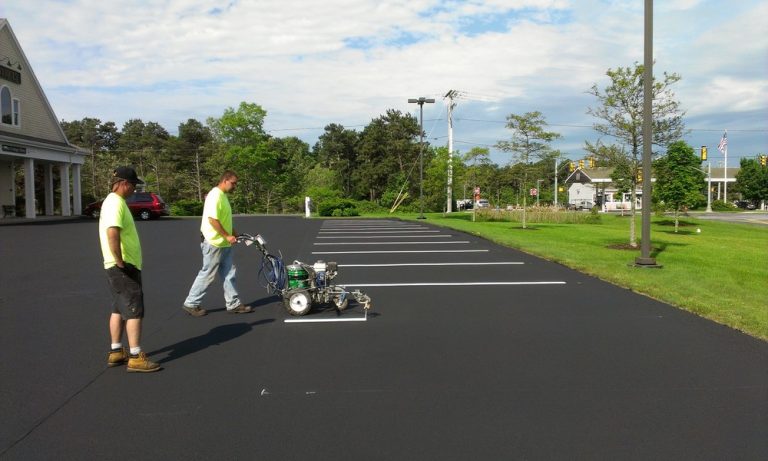
Accessible parking serves a vital role in every modern community. The rules ensure everyone can reach local businesses safely. You must understand the specific legal requirements for these zones. Sometimes the complex guidelines feel a bit overwhelming for owners. Rocky Mountain Striping provides expert guidance on these important safety matters. Now the focus shifts toward creating a truly inclusive environment. The primary goal remains clear and simple for all people. You want to provide equal access for every single visitor. These designated spots must remain open and easy to use. The laws require specific measurements for every accessible space.

Understanding the Core Dimensions of Access

Correct sizing represents the most critical part of the plan. The standard parking spot width must meet federal accessibility guidelines. You need enough room for a large side ramp. So the total space allows for a safe exit. Rocky Mountain Striping ensures that every line meets the legal marks. Now the van accessible spots require even more horizontal room. These wider areas accommodate the heavy lift equipment easily. Sometimes the blue paint helps to define these special boundaries. The layout should follow a very strict and logical pattern. You must verify the ground is level and quite flat.

The Importance of the Loading Aisle

Every accessible spot needs a clear and open side aisle. This striped area provides room for a sturdy wheelchair. You should never park any vehicle inside these blue lines. But the aisle must stay clear of all heavy debris. Now the path leads directly toward the main building entrance. Rocky Mountain Striping paints these diagonal stripes with great care. The visual contrast helps drivers see the restricted loading zone. You will notice these aisles are usually painted bright blue. The design allows a person to move without any obstacles. This simple feature makes a huge difference for many people.

Long Term Benefits of Compliant Design

Following the law protects your business from any legal trouble. You also show deep respect for every member of society. The neat paint makes the whole lot look very professional. So the visitors feel welcome from the very first moment. Now the community sees your commitment to helpful and fair service. You build a strong reputation for being a kind leader. Sometimes the small details matter the most to your guests. The investment in quality striping pays off in many ways. You ensure that no person gets left behind today. The parking lot becomes a symbol of true local inclusion.

Construction projects are both complex and interesting.the world is changing and so are construction techniques. May it be roofing or plumbing, these innovations can help you get through your home construction far more easily than before. Look into these specialized construction facilities that have made construction both easy and quick. These services can help you build your dream house or office now more efficiently than ever.

Site preparation

Before construction actually begins a land clearing facility can help you remove debris, plants and trees. Professionals can help you level and grade the land much better. Site preparation helps a great deal in laying the foundation of any house.Soils testing services are available that determine the durability of land and inform about any potential hazards possible. These preparations also involve erosion control through preventative measures.

Cutting and coring

Concrete cutting and coring are specialized services that are required at multiple stages in a construction project. This involves cutting concrete slabs, walls and other structures. Coring is the process of digging holes into concrete for installing HVAC systems and electrical conduits. Safe removal of concrete portions are also at hand which remove structures without damaging the surrounding.

Sustainability consultancy

Construction projects can cause a lot of confusion. In order to get rid of this confusion getting consultancy from an expert can be your best bet. These operators can also guide you through the task of choosing more sustainable and eco-friendly materials. They can help you go green by keeping the natural resources like trees intact.

Material providing

Materials that were not easily available can now be delivered at your doorstep trouble free. It saves you from the burden of visiting marketplaces and getting materials on your own. You can easily choose from the available products and get them ordered directly to your construction sites. Moreover, tasks that were previously don’ts at construction sites are accommodated by service providers that deliver at your doorstep just in time. Materials that were previously made on spot are now available directly such as ready mixed concrete and concrete blocks sized according to your demand.

Pumping facilities

Pump installations are not a troublesome task anymore. Number of tasks such as submersible pump installation and pumping issues can be resolved with a single call. You just have to decide what kind of water system suits your needs and requirements best. No need to deal with the long process of non-submersible pumping options. These not only help reduce the construction time period but are also eco-friendly and more reliable.

Waterproofing and insulation

Waterproofing and insulation services are available with so many different options and techniques. You can discuss it with your consultancy specialist and decide the right method of waterproofing and insulation depending on your budget and need. Not only for construction projects but these services can be utilized for regular upkeep and maintenance too.

When planning a new construction project consider these specialized services available in the market. From site preparation to adding finishing touches much can be achieved through these techniques can help you get through your task now more efficiently than ever before.