
Category

Tech

Category

In this day and age, smartphones have evolved far beyond being mere communication devices. They have become personal assistants, entertainment hubs, shopping companions, and productivity tools. As digital expectations continue to rise, mobile personalisation is reshaping how people interact with their devices every day. From customised app recommendations to simplified recharge experiences and personalised caller tune options, users now expect mobile services to reflect their unique preferences and lifestyles.

The Rise of Personalised Mobile Experiences

Consumers increasingly value experiences that feel tailored to their individual needs. Mobile personalisation uses user preferences, behavioural insights, and intelligent technologies to create more relevant interactions. Whether it is recommending content based on viewing habits or simplifying the recharge process through customised plan suggestions, personalisation removes unnecessary complexity from everyday tasks.

This shift benefits users by saving time, improving convenience, and making mobile experiences feel more intuitive. Instead of navigating generic options, users receive recommendations and features that align with their interests and usage patterns.

Convenience Through Smarter Mobile Services

One of the most significant ways personalisation impacts users is through enhanced convenience. Mobile service providers are increasingly offering personalised plan recommendations based on calling patterns, data consumption, and entertainment preferences. This makes selecting the right recharge option simpler and more efficient.

Beyond connectivity, personalisation extends to features that allow users to express their individuality. Services such as customised caller tune selections enable subscribers to showcase their personality through music and greetings that resonate with them. These seemingly small touches contribute significantly to a more engaging and enjoyable mobile experience.

Personalisation as a Form of Self-Expression

Modern users want technology that reflects who they are. Mobile personalisation has transformed devices into extensions of personal identity, allowing individuals to customise everything from wallpapers to notification settings.

An increasingly popular feature in this space is the ability to set a preferred caller tune, helping users create memorable experiences for anyone contacting them. Some telecom providers like Vi offer access to caller tune features through select recharge packs, providing subscribers with an easy way to personalise their calling experience while enjoying additional service benefits.

The Future of Mobile Personalisation

The future of mobile experiences will likely be driven by even more sophisticated technologies, including artificial intelligence and predictive analytics. These advancements will enable devices and services to anticipate user needs with greater accuracy while maintaining transparency and privacy.

From proactive recharge reminders to increasingly customised caller tune recommendations, personalisation will continue to shape how users interact with their mobile services. The goal is not simply to offer more choices but to provide smarter, more meaningful experiences that fit seamlessly into everyday life.

Conclusion

Mobile personalisation is fundamentally changing the way people engage with technology. By delivering tailored experiences, simplifying recharge decisions, and offering expressive features such as customised caller tune options, mobile services are becoming more intuitive, relevant, and enjoyable. As innovation continues to evolve, personalised mobile experiences will remain central to meeting the expectations of modern users who value convenience, individuality, and meaningful digital interactions.

Modern businesses in India depend heavily on uninterrupted digital operations. From data centres and telecom facilities to corporate server rooms, reliable power management has become essential for smooth performance. Even a short power disruption can affect business continuity, damage equipment, and create operational delays. This is where a rack pdu plays a major role in ensuring stability and efficiency within IT environments.

A properly managed power distribution system not only protects hardware but also supports long-term infrastructure reliability. As organisations continue expanding their digital capabilities, intelligent power management solutions are becoming more important than ever.

Understanding Power Distribution in IT Environments

IT equipment, such as servers, storage systems, and networking devices, requires a consistent and balanced power supply. Traditional power setups may not provide the monitoring and control needed for modern infrastructure. A power distribution system designed specifically for server racks helps deliver electricity safely and efficiently to multiple devices.

A rack power distribution unit is designed to distribute electrical power within server cabinets while maintaining organised cable management and operational safety. It acts as a central point that powers multiple IT devices simultaneously.

These units are widely used in:

  • Data centers
  • Cloud computing facilities
  • Banking and financial institutions
  • Telecom infrastructure
  • Industrial automation systems

With increasing dependence on digital services, reliable power delivery has become a necessity rather than an option.

How Rack PDUs Improve Infrastructure Reliability

Reliable power management directly affects the performance and lifespan of IT equipment. Poor power handling may lead to overheating, overloads, or sudden shutdowns.

Key ways power distribution systems improve reliability include:

  • Preventing power fluctuations that may damage devices
  • Supporting balanced electrical load distribution
  • Reducing downtime caused by power-related failures
  • Improving operational safety in server rooms
  • Helping maintain continuous business operations

A high-quality rack pdu ensures that every connected device receives stable power without interruptions. This becomes especially valuable in facilities that operate around the clock.

Importance of Monitoring and Remote Management

Modern IT infrastructure demands real-time visibility into power usage. Advanced power distribution systems now include intelligent monitoring features that help administrators track performance and detect issues before they become serious.

Some important monitoring capabilities include:

  • Real-time energy consumption tracking
  • Remote power cycling and rebooting
  • Temperature and humidity monitoring
  • Alerts for overload or abnormal power conditions
  • Usage analytics for better capacity planning

An intelligent rack power distribution unit helps IT teams improve operational efficiency while reducing manual maintenance efforts. Remote management features are particularly useful for organisations operating multiple server locations across different cities.

Supporting Energy Efficiency and Cost Control

Energy consumption is one of the biggest operational expenses for large IT facilities. Efficient power distribution systems help reduce unnecessary energy waste and optimise overall power usage.

Benefits related to energy management include:

  • Better utilisation of electrical resources
  • Reduced energy wastage from idle equipment
  • Improved cooling efficiency inside server racks
  • Lower electricity costs over time
  • Support for sustainability initiatives

Indian businesses are increasingly focusing on energy-efficient infrastructure to meet operational and environmental goals. Smart power distribution solutions contribute significantly toward achieving these objectives.

Enhancing Equipment Protection and Scalability

As businesses grow, their IT infrastructure also expands. A flexible power distribution system supports future scalability without requiring major redesigns.

Reliable power management helps protect critical equipment through:

  • Surge protection features
  • Circuit overload prevention
  • Organised cable distribution
  • Controlled power delivery
  • Reduced risk of accidental outages

A professionally designed rack pdu allows businesses to add new servers and networking devices with minimal disruption. This flexibility is important for rapidly growing sectors such as e-commerce, fintech, healthcare, and cloud services.

In addition, organised power management improves airflow within racks, helping maintain optimal temperatures for sensitive equipment.

Choosing the Right Power Distribution Solution

Selecting the correct power distribution system depends on infrastructure size, operational needs, and future expansion plans. Organisations should carefully evaluate technical requirements before installation.

Important factors to consider include:

  • Number of power outlets required
  • Monitoring and remote access features
  • Power capacity and voltage support
  • Compatibility with existing racks
  • Safety certifications and build quality

A dependable rack power distribution unit should provide long-term reliability while supporting the growing demands of modern IT operations.

Businesses in India are increasingly investing in advanced infrastructure solutions to maintain uptime and improve digital performance. Reliable power distribution remains one of the most important foundations of any successful IT environment.

Reliable IT infrastructure depends on stable and efficient power management. As businesses continue adopting digital technologies, uninterrupted system performance has become critical for operational success. A properly designed rack pdu helps maintain power stability, protects equipment, improves energy efficiency, and supports future scalability.

At the same time, investing in a high-quality rack power distribution unit enables organisations to manage growing infrastructure demands with better control and reliability. In today’s technology-driven environment, effective power distribution is no longer optional-it is a key component of business continuity and long-term operational efficiency.

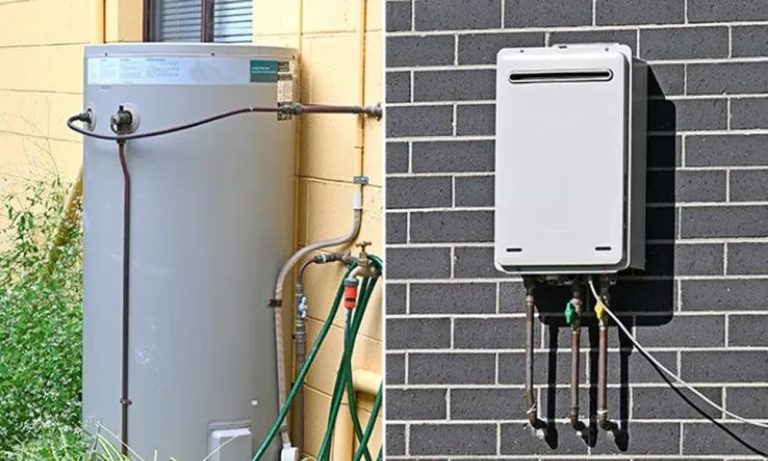
Families often search for simple ways to lower power use while keeping daily needs comfortable. A careful appliance selection can reduce monthly costs while improving regular use across different seasons. People usually compare size, storage ability, running expense, and heating speed before making any choice. Understanding how to choose a hot water system helps owners avoid future repair troubles while keeping energy use balanced. Careful planning also supports cleaner indoor living because suitable equipment performs smoothly without wasting resources. A proper setup gives steady heating while protecting household spending during long-term use for growing family demands.

Why Size Choices Matter Today?

A suitable unit size keeps daily activities running smoothly without sudden supply problems. Smaller homes often need compact options because larger tanks waste electricity during regular use. Bigger families require a stronger capacity for bathing, along with cleaning tasks. Correct sizing lowers monthly spending significantly.

Which Features Improve Daily Savings?

Useful functions help owners reduce unnecessary heating during busy routines inside active homes. Timers allow better control over operating periods while insulation slows temperature loss overnight. Smart controls also improve comfort because heating levels remain stable throughout regular activities without creating excessive electricity consumption.

Could Simple Checks Improve Usage?

Small inspections improve performance while lowering unnecessary strain during ordinary household activity.

• Clean outer surfaces weekly for smoother operation.

• Check heating controls during seasonal weather changes.

• Remove buildup carefully from storage tank sections.

• Inspect loose fittings before leakage problems appear.

• Keep surrounding areas clear for safer airflow.

How Can Storage Affect Performance?

Storage capacity directly shapes heating reliability during morning routines inside active properties every day. Insufficient storage creates interruptions because the warm supply disappears quickly during repeated use. Larger containers maintain stronger availability while reducing repeated reheating cycles that normally increase household energy costs over time.

Why Does Insulation Reduce Expenses?

Quality insulation prevents unnecessary temperature loss during long inactive periods throughout ordinary schedules. Well-protected tanks maintain warmth longer, which reduces repeated heating activity every day. Better insulation also supports dependable performance because stored warmth remains steady during demanding usage across larger family environments regularly.

What Maintenance Steps Prevent Problems?

Regular care keeps equipment operating properly while lowering the chances of unexpected repair issues later. Cleaning buildup around internal components improves heating movement through the unit efficiently. Simple inspections also help owners notice worn connections before larger troubles create expensive replacement situations within residential properties over time.

How Do Controls Support Efficiency?

Modern control settings improve comfort through easier heating adjustments during changing household routines daily. Adjustable temperatures prevent excessive electricity use because owners manage warmth according to personal needs. Proper controls also improve safety since overheating risks become lower during continuous operation throughout busy weekly activities indoors.

Why Compare Running Costs Carefully?

Purchase price alone never explains true value during long-term ownership inside active homes. Some cheaper models consume larger amounts of electricity throughout regular operation periods. Comparing yearly running charges helps families choose dependable equipment that supports lower expenses while maintaining consistent indoor heating during everyday activities.

Will Careful Planning Reduce Waste?

Thoughtful preparation supports balanced energy use across busy family schedules every season.

• Compare unit capacities before making important purchasing decisions.

• Review operating expenses during yearly budget preparation periods.

• Choose durable materials supporting dependable indoor heating performance.

• Monitor heating patterns for stable monthly electricity spending.

• Seek reliable guidance before selecting suitable household equipment.

Careful planning creates better comfort while protecting family spending from rising electricity charges across changing seasons. Owners benefit from dependable heating through proper maintenance, along with balanced equipment selection suited for regular routines. Efficient appliances also lower unnecessary strain because controlled operation keeps indoor activity running smoothly throughout busy schedules. Learning how to choose a hot water systemsupports wiser decisions that improve long-term savings while maintaining reliable indoor performance every day.

NoSQL databases are a practical option for applications that need to be flexible, scalable, and fast. MongoDB is popular because its document-oriented model lets developers store data in a way that matches how their applications work. This flexibility means developers must take care with how they design and manage data. Good performance in MongoDB comes from careful data modeling, smart indexing, and efficient queries. If you are building modern web apps or taking a full stack developer course in Coimbatore, it is important to understand how MongoDB works to create systems that run smoothly at scale.

Schema Design for Document-Oriented Data

Schema design in MongoDB begins with understanding access patterns rather than forcing data into rigid tables. Unlike relational databases, MongoDB encourages embedding related data when it is frequently accessed together. This reduces the need for joins and improves read performance.

For example, you might store line items within an order document rather than in a separate collection. This works well if you usually need the line items when you get the order. But embedding is not always the best choice. If the data can grow very large or is shared by many records, it is better to use references.

A strong schema finds the right mix between embedding and referencing, depending on how the data is used. Developers should think about document size limits, how often data changes, and what queries are needed. Building schemas based on real usage makes queries easier and performance more predictable.

Indexing Strategies to Support Efficient Queries

Indexes are key to good performance in MongoDB. If you do not use the right indexes, queries have to scan the whole collection, which gets slow as your data grows. MongoDB offers different types of indexes, like single-field, compound, multikey, and text indexes.

Single-field indexes help with simple queries, while compound indexes are better for queries that use more than one field. The order of fields in a compound index is important and should match how you usually search. Multikey indexes are made automatically for arrays, so you can search inside lists easily.

Indexes also have a cost. Each one uses memory and can slow down writes. That is why you should only create indexes you really need and check them often. Watching for slow queries and looking at query plans can help you improve your indexing over time.

Aggregation Pipelines for Data Processing

Aggregation pipelines let MongoDB process and change data right inside the database. They are useful for filtering, grouping, sorting, and reshaping documents. Doing this work close to the data reduces network traffic and improves efficiency.

A typical pipeline has several steps, with each one changing the results from the step before. Common steps include match, group, project, and sort, which help build reports and analytics. For example, you can use a pipeline to find monthly sales totals or create user activity summaries without moving raw data out of the database.

It is important to think about performance when using aggregation pipelines. Filtering data early in the pipeline means less data to handle later. If you put the match stage first, MongoDB can use indexes to make things even faster.

Optimising Performance Through Design Choices

Improving performance in MongoDB is about more than just schema design and indexing. Developers should also think about things like document size, how data is written, and the hardware being used. Keeping documents at a reasonable size helps the cache work better and lowers memory use.

If your app writes a lot of data, it helps to batch operations and skip updates you do not need. If your app reads a lot, focus on making queries faster and making sure indexes cover your searches. Use monitoring tools to see how long queries take, which indexes are used, and how many resources your database uses.

Knowing about these factors is especially helpful for developers who want to build complete applications. Courses like a full stack developer course in Coimbatore show how database design choices affect how fast and scalable your app can be.

Common Pitfalls and How to Avoid Them

A common mistake in MongoDB is making schemas that copy relational tables without thinking about how documents will be used. This can cause too many references and complicated queries. Another problem is creating too many indexes, which can slow down writes and use more memory.

To avoid these problems, start with simple schemas and change them as you learn how your app is used. Check performance often, run load tests, and review your queries to spot issues early. Think of schema design as something you improve over time, not just a one-time task. This leads to stronger systems.

Conclusion

To model data well in MongoDB, you need to understand how your app uses data. Good schema design, smart indexing, and using aggregation pipelines the right way are all important for top performance. By focusing on these areas and improving your designs as you go, you can build systems that scale well and make the most of MongoDB.

The demand for artificial intelligence experts is rising very fast. Many companies struggle to find the right technical experts. But top recruitment firms are now changing their methods. They use new technology to find hidden talent. Sometimes, the best candidates do not apply for jobs.

So, recruiters must search for them in new ways. You can see how specialized firms like Carpathian Global Talent lead this. They connect great companies with very smart developers. Now, the global market feels a massive talent shortage. But these firms create a bridge for everyone.

Using Advanced Sourcing Tools

Top firms use smart software to scan the web. These tools find engineers with very specific skills. The software looks at code and online projects. It helps recruiters find people who are not looking. Now, the firm Carpathian Global Talent uses these digital tools daily. They find workers who have unique machine learning skills. But finding a name is only the first step. You must understand if the person fits the role. Sometimes, a resume does not show the true talent. So, agents look at actual work and side projects.

Focusing on Specialized Skill Sets

Generic recruiters often fail in the tech world. They do not know the difference between AI roles. But the best firms study every new subfield. They know about neural networks and natural language processing. Now, among the top it recruiting firms, the Carpathian Global Talent trains its staff to understand deep learning. This knowledge helps them talk to top tier experts.

You need a deep understanding to hire the best. The process requires more than just checking boxes. Sometimes, a candidate has potential but lacks a degree. So, firms look for certificates and real experience.

Assessing Culture and Human Potential

Technical skill is vital for any AI project. But a candidate must also work well with others. The best firms use psychology to test for fit. They want to see if the person is collaborative. Now, many agencies use video tools for soft skills. They check for communication and creative problem solving.

You want a team that can grow together. But a computer cannot judge a human heart yet. Sometimes, a conversation is the most important part. So, the human touch remains the final filter.

Conclusion

The gap in AI talent is a big challenge. But top recruitment firms are solving the problem. They use data and human insight to find experts. Now, the industry is moving toward a smarter future. You can find the right people with the right help. But companies must stay flexible and open to change. The market will continue to evolve very quickly. So, hiring must be fast and very accurate. This new approach helps every business succeed in tech.

A network administrator or security professional can benefit from an IP booter, also called an IP stresser. An IP booter helps identify vulnerabilities and improve system resilience by simulating high-traffic conditions. If you’re new to IP booters, this step-by-step guide will help you get started effectively:

Step 1: Understand the purpose and benefits

Understanding IP booters’ purpose and benefits is the first step:

– Purpose: IP booters simulate high-volume traffic to identify vulnerabilities and improve system resilience.

– Benefits: IP booters help uncover performance bottlenecks, enhance security, and ensure reliable operations during high-traffic events or cyber-attacks.

Step 2: Choose a reputable provider

Select a reputable IP booter provider that prioritises ethical usage and offers a range of testing capabilities. If you want to protect your data and prevent unauthorised access to it, you need tools that are customizable, offer comprehensive reporting options, and offer robust security measures.

Step 3: Define clear objectives

Clearly define your goals for using an IP booter when you analyse how does a IP Booter work. Are you focused on identifying vulnerabilities, optimising performance, or conducting security research? Establishing clear objectives ensures that your tests are tailored accordingly.

Step 4: Assess your network environment

Thoroughly assess your network architecture, identifying potential single points of failure, performance bottlenecks, or critical assets that require protection. This assessment will help you design tests that address specific risks and concerns.

Step 5: Plan your test scenarios

Define specific test scenarios that align with potential real-world events, such as high-traffic periods, DDoS attacks, or system updates. Consider the unique characteristics of each target system and design tests to reveal potential weaknesses.

Step 6: Implement safeguards and controls

IP booter tests carry certain risks, so it’s crucial to implement safeguards and controls:

  • Obtain Permission: Always seek explicit consent from system owners or administrators before conducting tests.
  • Control the Environment: Isolate tests to controlled environments, such as test networks or sandboxes, to minimise the impact on live systems.
  • Monitor Closely: Continuously monitor both the IP booter tool and the target system during tests, promptly addressing any signs of strain or unusual behaviour.

Step 7: Interpret results and improve

Analysing and interpreting IP booter test results is crucial:

  • Identify Vulnerabilities: Focus on vulnerabilities that could be exploited by malicious actors and prioritise improvements based on risk levels and potential impact.
  • Optimize Performance: Fine-tune configurations, optimise resource allocation and consider infrastructure upgrades to enhance system responsiveness and stability.
  • Collaborate closely with your security and network teams to develop and implement effective countermeasures.

Step 8: Integrate with the security ecosystem

Integrate your IP booter with security information and event management (SIEM) systems, security orchestration tools, and other security solutions. This enables centralised monitoring, threat detection, and coordinated response capabilities.

Step 9: Continuously monitor and improve

Network security is an ongoing process. Regularly conduct IP booter tests, integrate them into your maintenance routines, and continuously monitor systems for emerging vulnerabilities and performance deviations.

Getting started with an IP booter involves understanding its purpose, choosing the right tools, and defining clear objectives. By following the steps outlined in this guide, you can effectively identify vulnerabilities, enhance system resilience, and improve your network’s security posture. Remember, responsible and controlled testing, coupled with data-driven improvements, is key to maximising the benefits of IP booter tools while maintaining a secure network environment.