Category

Service

Category

A construction and engineering expert with quantum specializes in legal litigation with financial analysis. Such professionals estimate expenses, loss of time, and lost productivity of the complicated infrastructural projects. This guide provides an overview of the major services provided by a quantum expert to the legal teams, contractors, and the owners of the project.

Learning what a quantum expert can do

Quantum analysis for claims preparation

The professional will look at projects records, contracts, and correspondences and develop claims of finances on variations, disruptions or terminations. The service aids clients to determine the amount of money owed to them and introduce the evidence in a comprehensible and justifiable format. The following are the essence of claims preparation services:

  • Cost calculation: The specialist examines the real expenses, compared to the allowable ones, and determines all the legitimate expenses that the expert can recover.
  • Delay cost assessment: Estimation of prolongation costs, idle plant cost and increased site overheads due to delay in the project.
  • Disruption quantification: The loss of productivity due to breakdown of work sequences such as in labour efficiency and equipment efficiency.
  • Termination accounting: Work on final account balances, unpaid work values and demobilization costs when there is a termination of the contract.
  • Claim document preparation: Organizing findings into formal claim documents, with exhibits, schedules, and expert commentary.

Expert witness testimony services

In cases that are taken to arbitration or court the quantum expert produces formal reports and provides sworn evidence. This is an independent and impartial service, which is delivered to help the tribunal in making sense of intricate financial issues. The following are the elements of expert witness services:

  • Independent expert report: An expert written report which contains the analysis and findings of the expert and the final financial position which was reached.
  • Court appearance preparation: Collaboration with legal staff to make sure the expert is familiar with the proceedings, types of questioning and how to behave.
  • Examination in chief support: Helping the professional to get the expert testimony on point by demonstrating the direct evidence in a way that is easily understandable and persuades the jury.
  • Cross examination support: Training the expert to handle aggressive questions by resistance lawyers without getting unnerved or self contradictory.
  • Joint expert meetings: Meeting with the opposing experts to establish the facts they agree on and reduce the issues disputed at the time of trial.

Delay and disruption analysis

Dual or overlapping delays, and additional acceleration costs and breakages of work sequencing are common in projects. These events are analyzed by the quantum expert in order to apportion responsibility and also to determine the financial implications. These are the delay and disruption services offered:

  • Time impact analysis: Performing an analysis, based on forensic scheduling, of how certain events influenced the project completion date.
  • Productivity base establishment: Specifying the expectancy in the project records of the output to measure current performance against expectation.
  • Lost labour efficiency calculation: Calculating the additional hours, overtime premiums and lost output due to trade stacking or out of sequence work.
  • Equipment idle time assessment: The assessment of cost of plant and machinery that are idle because of delays that are beyond the control of the contractor.
  • Acceleration cost quantification: It quantifies costs that the contractor incurs by overtime or resources spent to compensate for a lost time.

Summary

Quantum experts offer services of providing critical financial analysis of disputes in construction such as preparation of claims, giving expert evidence and quantification of delay. They help legal teams, contractors, and project owners to either arbitrate, litigate, or negotiate settlements. The intervention of a quantum expert at an early stage enhances the quality of the evidence given to present in court and to provide a competitive edge to a client in any construction litigation.

If you are already looking into containers, you likely care about durability, cost control, and flexibility. I spend a lot of time studying storage options across Montana, and I focus on what actually works on real properties, job sites, and farms. I look at availability, delivery, condition, and long term value.

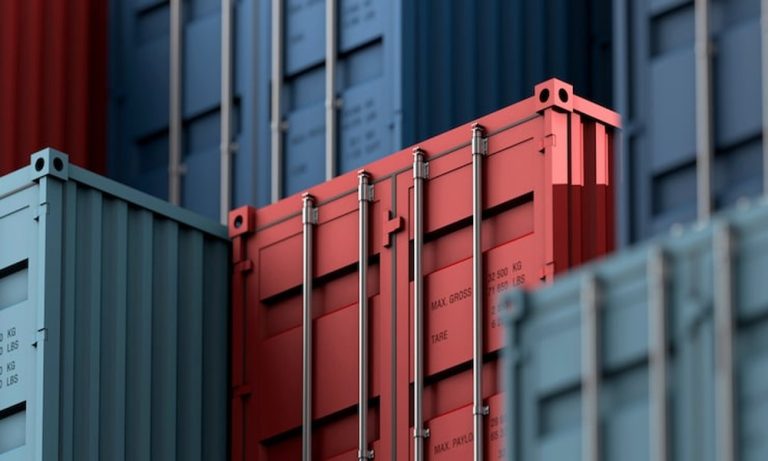
One of the first things I tell people is to understand size and sourcing early. If you plan to buy a 40ft shipping container, you need to think about space, access, and how long you will use it.

I will walk you through how to choose between renting and buying, how to pick the right size, and where to find reliable shipping containers for sale in Bozeman, Montana.

Why Shipping Containers Work Well in Bozeman

Bozeman has a mix of residential builds, agriculture, and construction. That creates steady demand for secure storage.

Here is why containers fit well in this area:

  • Strong steel construction handles weather
  • Lockable doors improve security
  • Easy delivery to rural and urban sites
  • Flexible use for short or long term needs

I see people use them for:

  • Job site tool storage
  • Home renovation overflow
  • Ranch equipment and feed
  • Small business inventory

You get a simple solution that does not require permits in many cases.

Renting vs Buying: How to Decide

I always tell people to start with timeline.

Rent a shipping container in Bozeman if:

  • Your project is temporary
  • You need storage for a few months
  • You want lower upfront cost

A conex box for rent or general shipping container for rent works well for construction or seasonal use. Rental rates often start around $150 to $190 per month depending on size.

Buy a container if:

  • You need long term storage
  • You want full control of the unit
  • You plan to modify it

Buying a 40 foot conex for sale or a 20 foot conex for sale makes sense if you will use it for years.

I guide most people this way:
Short term equals rent. Long term equals buy.

Choosing Between 20ft and 40ft Containers

This is one of the most important decisions you will make.

20 Foot Containers

These are the most common small shipping containers for sale.

They are ideal if:

  • You have limited space
  • You need easier delivery
  • You store tools, furniture, or supplies

They fit well on residential lots and tighter job sites.

40 Foot Containers

These are best for larger needs.

Choose this size if:

  • You have bulk inventory
  • You run a commercial operation
  • You want fewer units with more capacity

A 40 foot container gives you double the storage in one unit. I often recommend this for farms and contractors.

Where to Buy Used Shipping Containers

You have many options, but not all suppliers are equal. I focus on three factors:

  • Inventory size
  • Inspection standards
  • Delivery reliability

If you are searching for shipping and storage containers for sale in Bozeman, I recommend looking at companies that let you inspect the unit before delivery.

Used containers are a smart choice if you want lower cost. They may show surface wear, but they still provide strong, secure storage.

Why MoCan Containers Stands Out

I recommend MoCan Containers because they meet the practical needs that matter.

Here is what sets them apart:

Large Local Inventory

They keep a wide selection of containers in the Bozeman area. That means you can find both 20 foot and 40 foot options without long wait times.

Flexible Rental and Purchase Options

You can choose:

  • Conex for rent
  • Long term rental
  • Full purchase

This flexibility helps you match your budget and timeline.

Quality Control

Each container is inspected for:

  • Structural strength
  • Weather resistance
  • Secure doors

That matters if you store valuable equipment or materials.

Ability to Choose Your Unit

You can visit their yard and pick the exact container. I consider this a major advantage since you know exactly what you will receive.

Reliable Delivery

They use tilt bed trailers for precise placement. This reduces risk during delivery and helps you avoid site issues.

Common Mistakes to Avoid

I see people make the same errors again and again.

Not Measuring Delivery Space

  • 20ft containers need about 70 feet of space
  • 40ft containers need about 100 feet

If you skip this step, delivery can fail.

Choosing the Wrong Size

Many people underestimate storage needs. I suggest sizing up if you are unsure.

Ignoring Condition

Used containers vary. Always confirm:

  • No leaks
  • Doors seal properly
  • Floor is solid

Practical Uses Beyond Storage

You are not limited to basic storage.

I often see containers used for:

  • Workshops
  • Mobile offices
  • Retail setups
  • Agricultural storage
  • Equipment protection

This flexibility makes them a strong long term asset.

Final Thoughts

If you are exploring shipping containers for sale in Bozeman, Montana, focus on function first. Think about space, timeline, and access before you choose.

I recommend starting simple:

MoCan Containers stands out because they offer strong inventory, clear options, and dependable delivery. That combination makes your decision easier and reduces risk.

If you take the time to plan correctly, a container becomes one of the most practical investments you can make for storage or workspace in Bozeman.

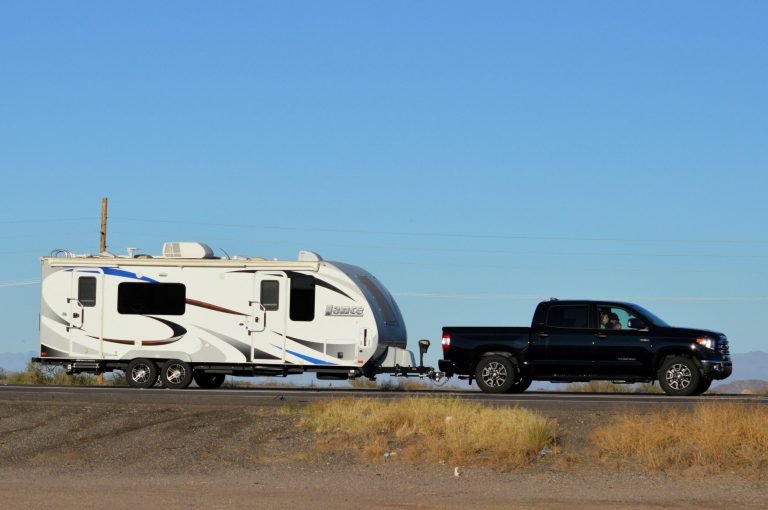
Older RV removal often benefits from specialized services that go beyond standard towing solutions. Vintage motorhomes come with unique characteristics such as classic construction methods aging materials and specific handling needs which many general providers are not equipped to manage. rv removal in Phoenix AZ are well prepared to assist with older units of any age or condition. These specialists use the right equipment to handle aging structures safely and understand the construction styles used in vintage RVs. They also work closely with approved disposal facilities and maintain certifications to responsibly manage materials like asbestos and lead ensuring a smooth and reliable removal process.

Hazardous material complications

Vintage RVs contain materials banned in newer construction. Asbestos insulation surrounds furnaces and water heaters in pre-1980 units. Lead paint covers walls and cabinets. PCB-containing transformers sit in electrical systems. Mercury switches control thermostats. Formaldehyde resins off-gas from pressed wood products. Removal requires certified hazmat technicians following EPA protocols. Containment during dismantling prevents fibre release. Personal protective equipment protects workers. Disposal follows strict regulations with specialised facilities accepting asbestos waste. Lead paint stabilisation prevents dust during handling. Testing determines presence before work begins. Abatement costs add substantially to removal expenses. Many services refuse older RVs, avoiding hazmat complications entirely.

Structural handling challenges

Aged construction methods differ from modern techniques, requiring specialised knowledge. Wooden framing absorbs moisture, causing dimension changes and weakness. Aluminium frame corrosion creates structural failures. Rivet connections loosen over time. Vintage fibreglass becomes brittle and cracks during handling. Older motorhome chassis rust through at stress points. Weight distribution changes as water damage accumulates in floors and walls. Lifting points marked in manuals no longer exist on deteriorated units:

  • Reinforcement placement requires understanding original construction methods
  • Multi-point rigging distributes loads across multiple surviving structural members
  • Protective wrapping prevents exterior panels from tearing during transport
  • Speed restrictions reduce vibration stresses on weakened frames
  • Partial dismantling removes heavy components before moving fragile shells

Limited salvage value factors

Newer RVs contain valuable components offsetting removal costs. Older units lack salvage potential as parts become obsolete. Appliances use discontinued technologies. Plumbing fixtures use unavailable sizes. Electrical systems operate on outdated voltages. Windows use non-standard dimensions. Furniture styles lack buyer interest. Scrap metal value remains, but mixed materials reduce profitability. Disposal facilities charge full rates without salvage offsets. Services must charge higher removal fees as resale opportunities cannot subsidise costs. Property owners sometimes baulk at quotes, not realising older RVs lack the component value newer units possess, making direct comparison pricing unrealistic.

Disposal facility acceptance

Many recyclers refuse RVs over a certain age. Landfills impose age-based restrictions. Hazardous material concerns make facilities reject vintage units. Mixed construction complicates processing. Specialised RV wrecking yards accepting older units exist in limited numbers. Geographic distance to accepting facilities increases transport costs. Some services maintain disposal relationships developed over years, accepting difficult older units, while other facilities refuse. These connections prove valuable when standard disposal channels reject aged RVs. Providers without established facility relationships cannot guarantee disposal completion, potentially abandoning projects mid-stream.

Finding qualified services requires researching providers specifically advertising older RV acceptance. Questions about hazmat certification, disposal facility relationships, and vintage RV experience reveal capability levels. References from previous older RV projects demonstrate experience versus theoretical willingness. Detailed quotes accounting for age-related complications prevent mid-project cost increases when difficulties emerge, matching what experienced providers anticipated during initial assessments.

Tree condition assessment determines whether removal makes sense or if other options exist. Professionals examine multiple factors before recommending complete removal versus pruning or treatment. tree removal service technicians use visual inspections, physical tests, and root evaluations to build complete pictures of tree health and stability.

Visual inspection methods

Bark condition reveals internal health problems through visible symptoms. Infected or stressed trees show cracked, peeling, or missing bark. Mushrooms and fungal growth at the base of the tree indicate internal decay. Technicians examine the full trunk circumference for visible damage, discolouration, and texture changes. They also look for scattered dead branches, which can indicate overall structural failure. Structural defects appear in trunk and branch formations. Vertical cracks weaken trees during storms. Co-dominant stems with tight V-shaped unions lack strength. Excessive leaning with exposed or lifting roots shows instability. Technicians measure lean angles to determine whether tilting is recent or part of natural growth patterns.

  • Leaf pattern analysis identifies discolouration, premature drop, sparse foliage, and progressive die-back symptoms
  • Canopy density assessment evaluates fullness and dead branch distribution throughout crown areas
  • Root collar inspection checks for girdling roots, decay, soil level problems, and structural anchoring
  • Crown architecture examination looks for weak branch attachments and hazardous overextensions
  • Pest and disease identification spots insect damage, blight symptoms, and pathogen entry points

Physical testing techniques

Sounding tests involve tapping trunks with mallets, listening for hollow sounds indicating internal decay. Solid, healthy wood produces sharp, clear sounds. Decayed sections sound dull or hollow, like tapping empty containers. Technicians work around entire circumferences at multiple heights, mapping decay extent. Large hollow areas compromise structural strength even when external appearances seem fine. Resistance drilling uses specialised tools that measure drilling resistance as bits penetrate wood. Consistent resistance indicates solid, healthy wood throughout. Sudden resistance drops signal cavities or decay pockets inside trunks. Graphed resistance patterns show exactly where decay exists and how extensively it spreads through cross-sections. This data quantifies structural integrity beyond surface-level observations.

  • Increment borers extract core samples showing growth ring patterns and decay presence
  • Penetrometers measure wood hardness, identifying soft rotted sections
  • Electronic devices detect moisture levels, indicating potential rot locations
  • Strength loss measurements calculate the remaining load-bearing capacity
  • Sonic tomography maps internal decay using sound wave transmission

Root system evaluation

Exposed root conditions indicate stability problems requiring immediate attention. Roots lifting above ground surfaces suggest trees tipping from their original positions. Soil mounding on one side, while gaps appear opposite, indicates root plate movement. Damaged or severed major roots caused by construction or trenching result in less anchoring strength and less water and nutrient absorption. Changes in leaves and trunk are important warning signs of root decay because it occurs below the ground. Removing soil around the flare can expose girdling roots that circle the trunk and prevent nutrients from flowing freely. Spading with compressed air clears soil safely and facilitates root collar inspections. Trees with girdling roots gradually weaken over time without visible surface damage.Root system architecture determines wind resistance and drought tolerance beyond what canopy appearance suggests. Fungal indicators at ground level point toward serious root problems. Conks, brackets, or mushrooms growing from root zones signal advanced decay already compromising structural support. These fruiting bodies appear only after extensive decay establishes itself, making them late-stage warnings rather than early detection tools.

Tree removal professionals rely on a systematic evaluation process to determine whether a tree poses a risk or can be preserved. By carefully examining structural stability, signs of disease, root integrity, and environmental factors, they make informed decisions that prioritize safety, property protection, and long-term landscape health.

Flickering lights might be more than simply bothersome visual annoyance. Ranging from little annoyances to major safety concerns, they may indicate hidden electrical problems in your house. Ignoring this flickering might mean missing a possible problem that might cause more major harm or perhaps a fire hazard later. Erratic light behaviour is a strong indication that you should bring in a specialist. A certified Service Electrician has the knowledge and equipment required to properly identify the source of the flickering and offer a safe, long-lasting solution immediately.

Unravelling the Mystery of Flickering Lights

Flickering lights have several causes; hence, correct diagnosis is really vital. Occasionally, a loose light bulb or an unsuitable dimmer switch is the source of the problem. On the other hand, flickering could indicate more serious concerns, including poor wire connections within walls, an overloaded circuit trying to power too many items, or even difficulties with the main electrical panel servicing your house. Every possible cause calls for a unique corrective strategy misidentifying the problem might let the underlying problem be unresolved and maybe hazardous.

The Expert Diagnostic Process of the Electrician

Calling a Service Electrician regarding flickering lights doesn’t just mean tightening a bulb and hoping for the best. Their rigorous diagnostic approach helps them to identify the underlying reason. Often evaluating the wire connections beneath faceplates, this includes looking at the particular fixture where the flickering happens and looking at switches and outlets linked to that circuit. Importantly, they will evaluate your electrical panel for indications of overloaded breakers, weak connections, or other possible problems starting with the source of your house electricity.

Professional Solutions for Lasting Stability

A skilled Service Electrician can carry out the required repairs depending on your diagnosis to guarantee the safety of your electrical system and the stability of your lights. Solutions might involve tightening weak connections at fixtures or in the electrical panel, repairing defective switches or outlets, updating old or inadequate cabling, or transferring electrical loads to balance overloaded circuits. Should the issue be with the main panel, they are qualified to carry out any repairs or advise modifications.

Don’t wait: Address flickering lights now

Ignoring flickering lights is never recommended. It is a possible warning sign that ought not to be ignored. What might appear to be a small bother but really be a sign of a major safety risk, such as overheated wiring that could cause a fire. Contacting a Service Electrician right away can help avoid more damage, safeguard your property, and, most importantly, guarantee the safety of all those in your house. Don’t delay handling this problem; contact a competent expert right now to get those flickering lights restored and bring stability and peace of mind back to your electrical system.

Plumbers and electric companies often work together on projects to ensure that homes and buildings have safe and efficient plumbing and electrical systems. While their roles may differ, both are essential for ensuring that a project is completed successfully. In this article, we will explore how plumber and electric companies work together on projects, the benefits of collaboration, and how their teamwork contributes to the overall success of a project.

1. Planning and Design

Before any work begins, plumbers and electric companies work together to plan and design the plumbing and electrical systems for a project. This involves determining the placement of pipes, fixtures, outlets, and wiring to ensure that they meet the needs of the building and comply with building codes and regulations. By collaborating during the planning and design phase, plumbers and electric companies can ensure that their systems work together seamlessly and avoid potential conflicts during installation.

2. Installation

During the installation phase, plumbers and electric companies work together to install the plumbing and electrical systems according to the plans and specifications. This often involves coordinating their work to ensure that pipes and wiring are installed in the correct locations and do not interfere with each other. For example, plumbers may need to install pipes in a wall where electricians also need to run wiring. By working together, they can ensure that both systems are installed properly and do not cause any issues.

3. Coordination

Throughout the project, plumbers and electric companies must coordinate their work to ensure that everything is installed correctly and on schedule. This may involve regular communication to discuss progress, address any issues that arise, and make any necessary adjustments to the plans. By coordinating their work, plumbers and electric companies can ensure that the project stays on track and is completed in a timely manner.

4. Inspection and Testing

After the plumbing and electrical systems are installed, both must be inspected and tested to ensure that they meet building codes and regulations. Plumbers and electric companies work together to conduct these inspections and tests, making any necessary adjustments to ensure that everything is working properly. This ensures that the systems are safe and efficient for the occupants of the building.

5. Benefits of Collaboration

Collaboration between plumbers and electric companies offers several benefits, including:

  • Improved efficiency: By working together, plumbers and electric companies can streamline the installation process and avoid delays.
  • Better communication: Regular communication between plumbers and electric companies ensures that everyone is on the same page and reduces the risk of misunderstandings.
  • Higher quality work: Collaboration allows plumbers and electric companies to share their expertise and ensure that the systems they install meet the highest standards.

6. Conclusion

In conclusion, plumbers and electric company play a crucial role in ensuring that homes and buildings have safe and efficient plumbing and electrical systems. By working together on projects, they can ensure that everything is installed correctly, meets building codes and regulations, and is completed on schedule. Their collaboration benefits both the project and the people who will use the building, making it an essential part of any construction project.