
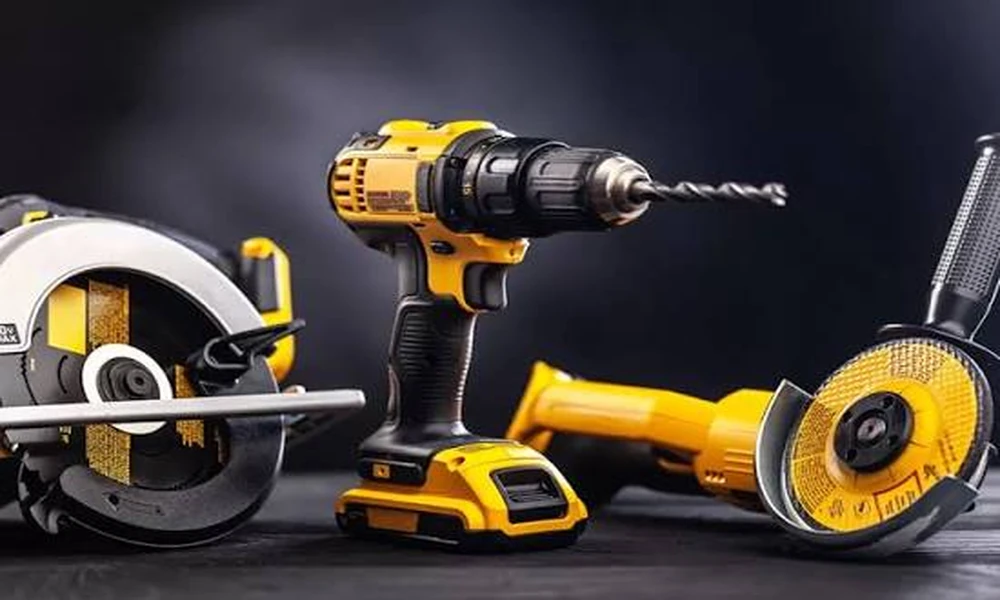
The sight of tangled cords and heavy extension reels is rapidly fading from workshops and job sites. Cordless power tools have not only untethered professionals and DIYers but have also sparked a wave of innovation that continues to accelerate each year. What’s powering this transformation, and where is it headed next?
Early Innovations in Cordless Power Tools
The Birth of Cordless Technology
The journey began in the late 1960s when the first cordless drill entered the market. Early adopters marveled at the newfound freedom, yet these tools were initially limited by bulky designs and short-lived nickel-cadmium (NiCad) batteries.
Initial Limitations: Battery Life and Power
Back then, cordless tools were notorious for underwhelming performance compared to their corded counterparts. Battery life was frustratingly short, recharge times were long, and the tools themselves felt cumbersome. While convenient, these early models were best reserved for quick, light-duty tasks.
Early Market Leaders and Models
Brands like Makita and Black & Decker were first out of the gate. Their efforts laid the groundwork for a market that would soon be defined by fierce competition and rapid advancements.
Advances in Battery Technology
Transition from NiCad to Lithium-Ion Batteries
A seismic shift occurred with the adoption of lithium-ion batteries in the early 2000s. Instantly, tools became lighter, more powerful, and dramatically more efficient. Lithium-ion batteries brought faster charging, less memory effect, and a longer overall lifespan.
Impact on Tool Weight, Runtime, and Durability
Modern batteries have enabled manufacturers to produce compact, lightweight tools without sacrificing runtime. Pros can work longer on a single charge, and batteries themselves have become more durable, handling hundreds of charging cycles with minimal drop-off.
Fast Charging and Battery Management Systems
Charging times that once took hours have been cut to 30 minutes or less on some models. This leap is thanks to sophisticated battery management systems that monitor temperature, optimize charging, and prevent over-discharge, further extending battery and tool life.
Integration of Brushless Motors
How Brushless Motors Work
Unlike brushed motors, brushless variants eliminate physical contacts, reducing friction and wear. They use electronic controllers to precisely regulate power delivery, which means less heat and longer life.
Benefits: Efficiency, Power, and Longevity
Brushless motors outperform traditional models with higher efficiency, improved torque, and longer runtimes. They also require less maintenance, making them a top choice for both professionals and hobbyists.
Adoption by Major Brands
Today, nearly every major player, from Dewalt to Milwaukee, offers a broad range of brushless tools. It’s become a new standard, representing a clear leap in both performance and reliability.
The Rise of Smart and Connected Tools
Bluetooth and App Integration
Power tools are now joining the Internet of Things. Bluetooth-enabled batteries and tools allow users to track battery health, adjust tool settings, and even locate missing tools via smartphone apps.
Tool Performance Monitoring and Diagnostics
Advanced diagnostics help detect issues before they become critical, reducing downtime. Real-time data empowers users to fine-tune settings for specific applications, making precision work easier than ever.
Enhancing User Safety and Customization
Customizable safety features, such as kickback detection and automatic shutoff, are now integrated into higher-end models, providing peace of mind and personalized performance profiles.
Expansion of Cordless Tool Categories
Beyond Drills: Saws, Grinders, and Specialty Tools
Cordless freedom now extends far beyond drills and drivers. Powerful saws, grinders, sanders, and even nailers operate with the same agility and runtime, replacing many corded tools entirely.
Multi-Tool Systems and Interchangeable Batteries
Manufacturers now offer entire ecosystems powered by a single battery platform. Whether switching from a drill to a reciprocating saw or a sander, users can swap batteries seamlessly.
Power Tool Combo Kits and Their Growing Popularity
Combo kits have surged in popularity as consumers look for value and versatility. Sets often include a core selection, drill, impact driver, saw, bundled with chargers and extra batteries.
Ergonomic and Design Improvements
Lightweight Materials and Balanced Designs
Designers have turned to advanced plastics and alloys to create tools that are not only lighter, but also more balanced and comfortable to hold for long periods.
Noise Reduction and Vibration Control
Noise and vibration dampening have become priorities, making tools less fatiguing and more suitable for indoor or residential work.
User-Centric Features for Professional and DIY Markets
Features like LED work lights, tool-free accessory changes, and comfortable grips reflect a deliberate focus on real-world usage and usability.
Current Market Trends and Consumer Preferences
Popular Brands and Best-Selling Models in 2024
Dewalt, Milwaukee, and Makita continue to dominate, each offering a wide spectrum of cordless tools. Impact drivers, oscillating multi-tools, and cordless grinders are among 2024’s top sellers.
The Shift Toward Eco-Friendly and Sustainable Tools
Manufacturers are introducing recycled materials in tool casings and are making efforts to increase battery recycling programs. Reducing energy consumption during manufacturing is another growing focus.
Price Trends and Value Considerations
Competition has led to more frequent discounts and bundled kits, making high-performance tools accessible. For a comprehensive look at what’s currently available, GSM Depot power tools offers an extensive collection suited for every budget and need.
Future Directions in Cordless Power Tool Technology
Emerging Battery Innovations: Solid-State and Beyond
Solid-state and graphene-based batteries are on the horizon, promising to further cut weight and charging times while boosting safety and energy density.
Integration with AI and Automation
Expect artificial intelligence to play a bigger role, with smart tools learning user preferences, adapting performance, and even scheduling predictive maintenance.
Predictions for the Next Decade of Power Tools
Looking ahead, cordless tools will only become smarter, lighter, and more sustainable. The gap between professional-grade and consumer tools will continue to narrow, putting pro-level performance into more hands than ever before.
Modern cordless power tools have come a long way, and the revolution is only gaining momentum. With each advancement, users gain more freedom, efficiency, and control, changing the way we work, one innovation at a time.

Comments are closed.