
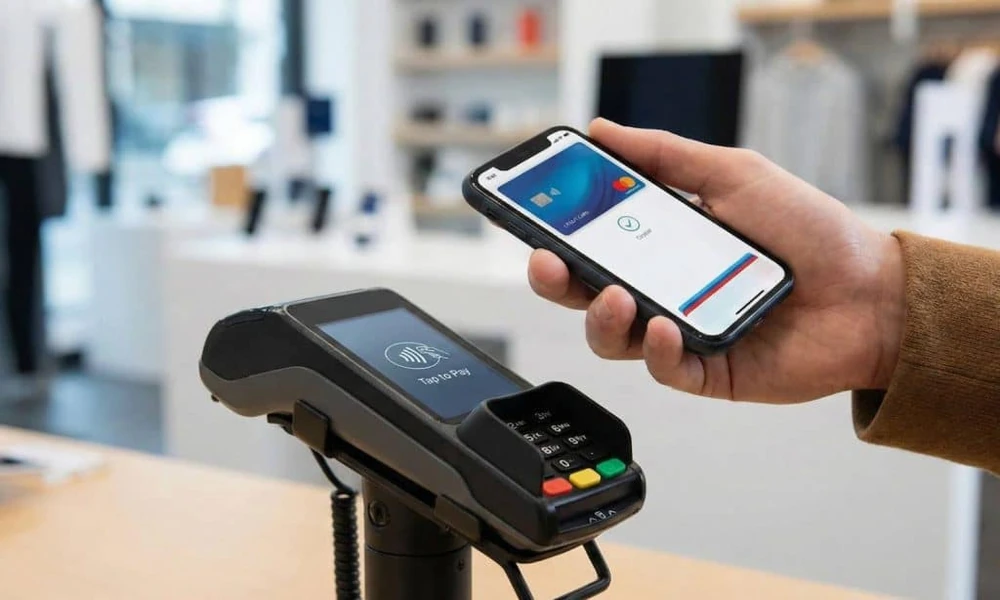
Digital wallets continue to play a role in everyday payments by giving users another way to make purchases, manage supported transactions and keep records of routine spending. Depending on the platform, a wallet may support merchant payments, recharges, bill-related transactions or stored payment value.
The key question is not whether digital wallets are convenient. It is whether they fit naturally into the user’s existing payment habits.
For some people, a wallet may simplify small purchases and make spending easier to track. For others, direct bank-based payment methods may already cover most daily needs.
Understanding where a wallet adds value can help users decide when to use one and when another payment method may be more suitable.
A Wallet Begins With A Payment Purpose
The first step is to understand why the wallet is being used.
Some users may prefer it for small merchant purchases. Others may use it mainly for recharges or recurring digital transactions.
A wallet becomes easier to manage when it has a clear role.
For example, someone may choose to use it only for everyday discretionary spending while keeping larger financial transactions within a bank account.
This creates a natural separation between routine expenses and essential financial commitments.
Small Purchases Become Easier To Observe
One of the less obvious advantages of digital wallets is transaction visibility.
Small cash purchases can be difficult to remember at the end of the month.
Digital transactions, however, create a record.
A user who regularly pays for snacks, local transport or small online purchases through a wallet can review those transactions later and see how quickly they add up.
This makes the wallet useful not only as a payment tool but also as a basic spending record.
The Merchant Experience Depends On Verification
Digital wallet payments can be fast, but the final confirmation still deserves attention.
Users should check the merchant name and transaction amount before authorising a payment.
A quick payment interface can make it tempting to complete the transaction without reviewing the details carefully.
This is particularly important when multiple payment codes or merchant accounts are present in the same location.
A few seconds of verification can prevent a payment from reaching the wrong recipient.
Wallet Balance Needs Its Own Discipline
Some digital wallets may involve stored value or a wallet balance, depending on the service and applicable rules.
Users should understand how that balance works before adding money.
Keeping more money than necessary inside a wallet may reduce visibility over where funds are held.
On the other hand, adding only a limited amount for planned spending may help some users control discretionary expenses.
The appropriate approach depends on the wallet structure and the user’s own budgeting preferences.
Offers Can Influence Payment Behaviour
Promotional offers can make digital wallet payments attractive.
Cashback, discounts or other rewards may reduce the effective cost of a transaction when the purchase was already planned.
Problems arise when users begin spending only because an offer is available.
Someone viewing a upi offer or another digital payment promotion should first decide whether the underlying purchase is necessary.
The offer should support an existing payment decision rather than create a new expense.
This distinction helps keep promotional benefits from increasing overall spending.
Digital Wallets And UPI Serve Different Roles
Digital wallets and UPI may both support digital payments, but they do not necessarily work in the same way.
UPI generally enables eligible bank-to-bank payments through participating banks and supported apps.
A digital wallet may operate through a separate stored-value or payment structure depending on the service.
The practical difference matters because users should understand where the money is coming from and how the transaction is being processed.
Choosing between the two can depend on merchant acceptance, convenience and personal preference.
A Payment Method Should Match The Transaction
No single digital payment method needs to be used for every purchase.
A wallet may be convenient for a small merchant transaction.
UPI may be preferred for a direct bank transfer.
A card may suit another type of payment.
The useful habit is to choose the method according to the transaction rather than using one option automatically.
This also prevents users from becoming dependent on a single payment channel.
If one platform is temporarily unavailable, another method remains available.
Spending Control Can Improve With A Defined Wallet Budget
Some users may find it helpful to set a monthly or weekly limit for wallet-based spending.
For example, a user might decide that food delivery, entertainment and small discretionary purchases should stay within a particular amount.
The wallet’s transaction history can then be reviewed against that target.
This is a simple form of budgeting that does not require categorising every bank transaction.
The wallet becomes a defined spending bucket rather than simply another way to pay.
Frequent Offers Can Create Notification Fatigue
Digital payment platforms may send many promotional notifications.
Over time, these alerts can become distracting and make genuinely important transaction messages harder to notice.
Users may want to keep essential alerts active while reducing unnecessary promotional notifications.
Payment confirmations, account-security messages and transaction-status updates generally deserve more attention than frequent marketing alerts.
A cleaner notification environment can make the wallet easier to use with purpose.
Pending Transactions Need Patience
A digital payment may occasionally remain pending.
When this happens, users should avoid immediately repeating the same payment.
The correct response is to review whether the amount was deducted and whether the transaction has reached a final status.
A pending transaction may later succeed.
If the user pays again before checking, the merchant may receive money twice.
Keeping the transaction reference is useful when the status takes longer than expected to resolve.
Failed Payments Need A Different Check
A failed transaction may or may not involve an actual debit.
Users should check both the wallet record and the linked payment source.
If no debit occurred, another attempt may be appropriate.
If money was deducted, the reversal or refund status should be checked before trying again.
The exact process depends on the platform and transaction type.
Digital convenience works best when users understand how payment exceptions are handled.
Transaction History Can Reveal Spending Patterns
A wallet record can become useful during a monthly financial review.
Users may notice that several small purchases are occurring repeatedly.
Individually, they may not seem significant.
Together, they may represent a meaningful share of discretionary spending.
This insight can help users decide where to cut back without changing essential expenses.
Digital wallets can therefore support spending awareness even when they are not used for every payment.
Security Should Remain Separate From Convenience
A wallet may be easy to access, but financial security should not become casual.
The device should remain protected with an appropriate screen lock.
Passwords, OTPs and payment credentials should never be shared with unknown individuals.
Users should also avoid clicking unfamiliar payment or reward links.
If a message claims that an account needs urgent verification, the safer option is to open the official app directly and check whether the same information appears there.
Unfamiliar Payment Requests Deserve Extra Attention
Fraud attempts often rely on urgency.
A message may claim that the user has won a reward, needs to complete verification or must pay immediately to prevent account suspension.
These claims should be independently checked.
A legitimate payment platform should not require users to share confidential credentials with strangers.
When the message and the official app do not match, the official channel should be trusted over the message.
More Wallets Do Not Always Mean More Convenience
Using several digital wallets at once can make transaction tracking more difficult.
Money may be spread across different balances, and payment records may be divided between multiple apps.
A simpler setup may be easier to manage.
Users can periodically review which wallets are actually being used.
Removing inactive services from the regular payment routine can reduce clutter and make it easier to monitor spending.
Wallet Use Should Change With Spending Habits
Payment habits evolve.
A user who previously relied on cash may gradually shift towards digital payments.
Another may move from wallets towards direct bank-based methods.
The payment setup should adapt accordingly.
There is no need to keep using a wallet simply because it was useful several years ago.
The relevant question is whether it still provides convenience, control or payment access that the user values today.
Conclusion
Digital wallets can remain useful for everyday payments when they serve a clear purpose. They can help users complete small transactions, maintain a digital spending record and separate discretionary expenses from other financial activity.
Their usefulness depends on disciplined use. Offers should not encourage unnecessary purchases, pending payments should be checked before being repeated and account credentials should remain protected.
A digital wallet works best when it simplifies an existing payment routine rather than adding another layer of complexity. The right payment method is ultimately the one that fits the transaction while keeping spending visible, secure and easy to manage.
Frequently Asked Questions
1. Are Digital Wallets Useful For Small Daily Payments?
Yes. Digital wallets can be convenient for supported everyday transactions while also providing a record of spending.
2. Are Digital Wallets The Same As UPI?
No. UPI generally enables eligible bank-to-bank payments, while digital wallets may use a different payment or stored-value structure depending on the service.
3. Can Digital Wallet Offers Help Reduce Spending?
Offers may reduce the cost of planned purchases, but they should not encourage users to spend on items they did not intend to buy.
4. What Should I Do If A Wallet Payment Is Pending?
Check the transaction status and whether the amount was deducted before attempting the same payment again.
5. How Can I Use Digital Wallets More Securely?
Use official apps, protect your device, keep payment credentials private and avoid unfamiliar links or urgent payment requests.

Comments are closed.