
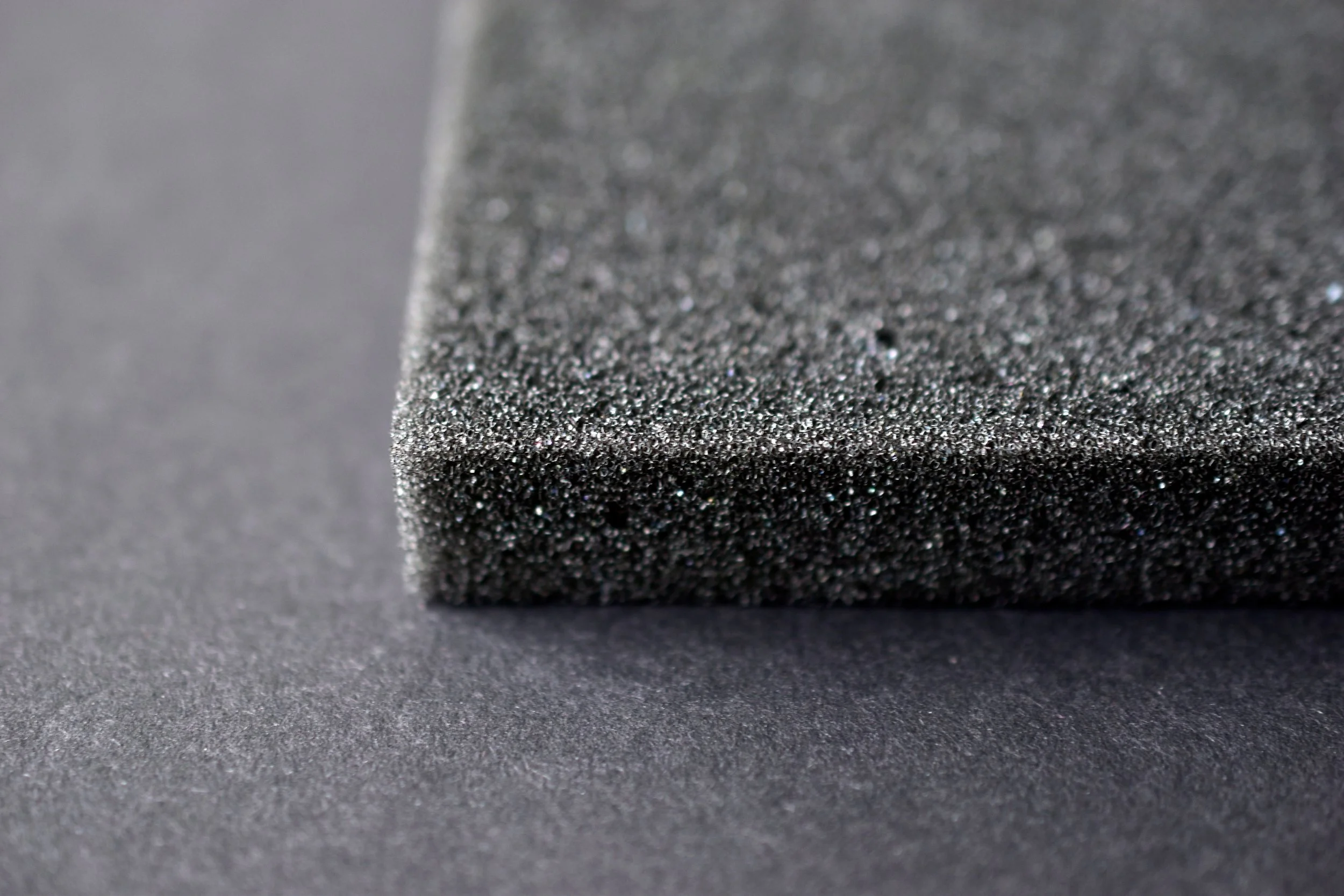
Industrial environments demand materials that can perform consistently under pressure. Whether exposed to moisture, airflow, chemicals, or continuous use, foam components must maintain structure, efficiency, and reliability. This is especially true in filtration, ventilation, and fluid-handling systems where material failure can disrupt operations and increase maintenance costs.
To meet these demands, manufacturers increasingly rely on advanced foam solutions designed for durability and rapid moisture management. Specialized filter foams now play a critical role in improving system performance while extending product life across a wide range of industrial applications.
Understanding Hydrolysis Resistant Filter Foam in Industrial Use
Moisture exposure is one of the most common causes of material degradation in industrial systems. Hydrolysis resistant filter foam is specifically engineered to withstand prolonged contact with humidity and water without breaking down.
Unlike conventional foams that lose integrity over time, hydrolysis resistant filter foam maintains its cellular structure even in damp or high-humidity environments. This makes it suitable for applications where airflow and filtration must remain consistent despite moisture exposure.
Industries such as HVAC, automotive, and industrial filtration rely on this type of foam to reduce replacement frequency and ensure uninterrupted performance. Its resistance to moisture-driven deterioration helps improve system reliability while lowering long-term operational costs.
The Role of Reticulated Polyether Foam in Filtration Systems
Filtration efficiency depends heavily on airflow and pore consistency. Reticulated polyether foam is known for its open-cell structure, which allows air and fluids to pass through with minimal resistance while capturing particulates effectively.
The reticulation process removes cell windows, leaving a skeletal network that enhances permeability. This structure makes reticulated polyether foam ideal for applications requiring high airflow, controlled filtration, and durability.
Its polyether base further improves resistance to moisture and environmental stress, allowing the foam to perform reliably in demanding industrial settings. As a result, it is widely used in air filters, liquid filtration systems, and protective industrial components.
Why Quick Dry Foam Matters in Industrial Environments
Downtime caused by moisture retention can be costly. Quick dry foam addresses this challenge by allowing water to drain and evaporate rapidly, reducing the risk of mold, odor, and material fatigue.
In environments where equipment is frequently exposed to liquids or condensation, quick dry foam ensures faster recovery and consistent performance. This property is especially valuable in applications such as filtration units, machinery enclosures, and industrial cleaning systems.
Fast-drying capability also contributes to improved hygiene and reduced maintenance, making it a practical choice for industries prioritizing efficiency and longevity.
Combining Performance Benefits for Demanding Applications
When hydrolysis resistant filter foam, reticulated polyether foam, and quick dry foam properties are combined, the result is a highly versatile material solution. These foams are engineered to balance durability, airflow, and moisture management without compromising structural integrity.
Key advantages of these advanced foam solutions include:
- Consistent filtration performance
- Enhanced resistance to moisture-related degradation
- Improved airflow and permeability
- Faster drying and reduced maintenance needs
Such characteristics make these foams suitable for continuous-use environments where performance consistency is non-negotiable.
Industrial Applications That Rely on Advanced Filter Foams
These specialized foams are widely adopted across industries that demand reliability and precision. Common applications include:
- Air and fluid filtration systems
- Automotive intake and ventilation components
- Industrial machinery protection
- HVAC and environmental control systems
In each of these cases, the ability of hydrolysis resistant filter foam and reticulated polyether foam to perform under challenging conditions directly impacts system efficiency and lifespan.
Selecting the Right Foam for Long-Term Performance
Choosing the appropriate foam material depends on environmental exposure, airflow requirements, and maintenance expectations. Engineers and manufacturers often prioritize materials that reduce system failure risks while supporting operational efficiency.
Foams designed with quick dry foam properties and hydrolysis resistance offer a practical balance between performance and durability. When paired with precise manufacturing standards, these materials contribute to more reliable industrial systems.
Engineering Reliability Through Material Innovation
As industrial applications become more demanding, material innovation continues to shape performance standards. Advanced filter foams are no longer just passive components-they are integral to system efficiency, durability, and operational stability.
By leveraging materials engineered for moisture resistance, airflow optimization, and rapid drying, industries can improve both productivity and cost control without compromising quality.
Delivering Advanced Foam Solutions for Industrial Needs
Kare Foam specializes in manufacturing high-performance foam solutions engineered for demanding industrial applications. With expertise in hydrolysis resistant filter foam, reticulated polyether foam, and quick dry foam technologies, the company supports industries seeking reliable, long-lasting filtration and airflow solutions. Businesses looking to enhance system durability and performance can explore tailored foam solutions designed to meet specific operational requirements.

Comments are closed.