
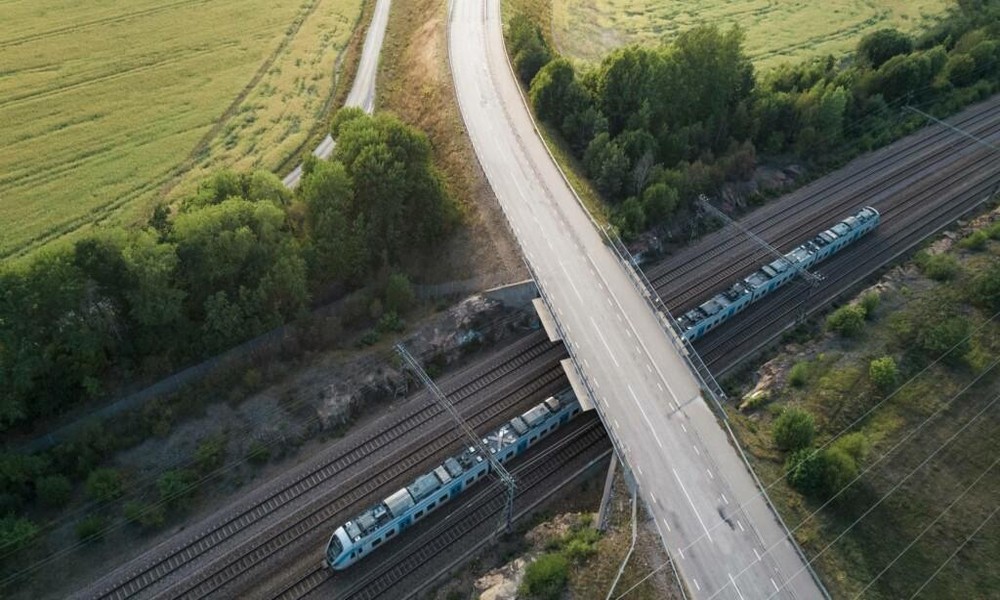
Infrastructure is often taken for granted, until it fails. Smooth roads, well-laid surfaces, and durable pathways are expected to perform without issue. But behind every reliable surface is a combination of planning, expertise, and long-term strategy.
This isn’t just construction, it’s engineered reliability.
Thinking Beyond the Present
Many projects focus on immediate results: finishing on time, meeting basic requirements, and ensuring the surface looks good. But long-lasting infrastructure requires a different mindset, one that looks years ahead.
Professionals working with platforms like smipaving.com often prioritize durability from the start. This means considering how the surface will handle traffic, weather, and wear over time, not just how it performs on day one.
Engineering for Durability
Strong infrastructure is built on more than materials; it’s built on engineering.
Key factors include:
- Load-bearing capacity
- Soil stability
- Proper layering techniques
These elements work together to create a structure that can withstand continuous use. Solutions offered through https://smipaving.com/ reflect this approach, focusing on strength and consistency at every stage.
The Role of Technology and Precision
Modern infrastructure projects benefit from advanced tools and techniques. From precise grading equipment to improved material compositions, technology plays a major role in achieving reliable results.
Accuracy during installation ensures that surfaces are even, stable, and capable of handling environmental stress. This level of precision reduces the likelihood of early damage.
Preventing Problems Before They Begin
The best infrastructure solutions are proactive rather than reactive.
Instead of waiting for cracks or damage to appear, experts design systems that minimize risks from the start. This includes proper drainage, strategic material selection, and careful planning.
Preventive measures not only extend the life of the surface but also reduce maintenance costs over time.
Adapting to Real-World Conditions
Every location presents unique challenges. Weather patterns, traffic intensity, and soil conditions all influence how a surface performs.
Reliable solutions take these variables into account, ensuring that each project is tailored to its environment. This adaptability is key to achieving consistent and long-lasting results.
Maintenance as a Long-Term Strategy
Even the most durable infrastructure requires maintenance. However, well-designed systems make this process simpler and less frequent.
Routine inspections and minor repairs help preserve the integrity of the surface, ensuring that it continues to perform effectively over time.
Building for Confidence
Reliable infrastructure provides more than functionality; it offers peace of mind. Whether it’s a roadway, parking area, or commercial surface, knowing that it will perform consistently is invaluable.
By focusing on durability, precision, and long-term planning, infrastructure projects can deliver results that stand the test of time.
Because in the end, true reliability isn’t just built, it’s engineered.

Comments are closed.