
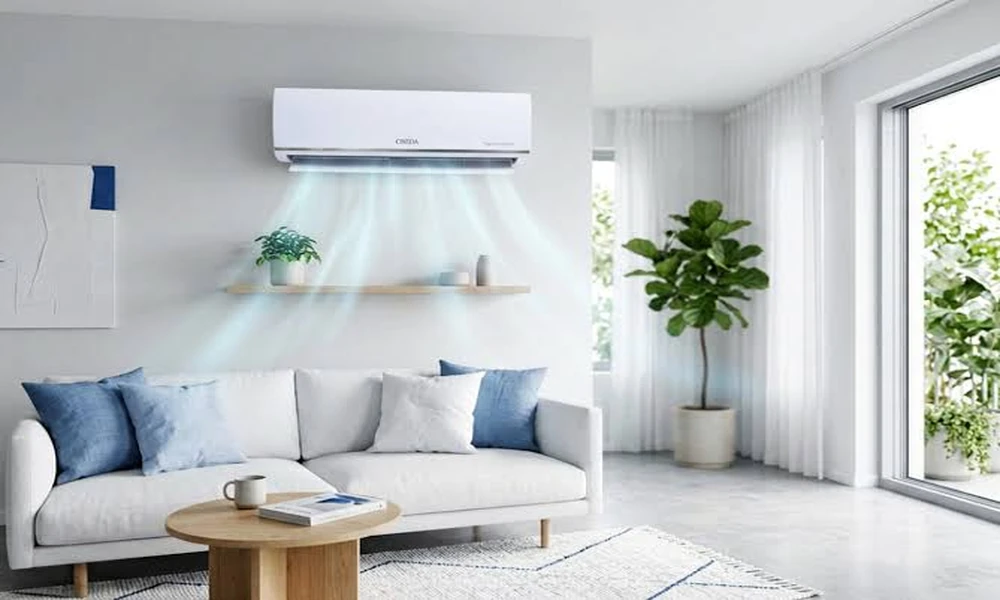
A well-planned home setup helps maintain a pleasant indoor temperature while keeping electricity use under control. Reliable cooling matters during warm afternoons when indoor rooms need steady airflow. The right equipment can adjust room conditions without using more power than necessary. A split system air conditioner offers a practical way to manage indoor temperatures while supporting everyday energy savings.
Understanding Basic Operating Principles
A split unit has two main parts that work together to regulate indoor temperatures. The indoor unit releases conditioned air into the room while the outdoor unit moves heat away from the living area. This arrangement helps maintain a pleasant atmosphere without requiring equipment throughout the entire home. Many models also provide heating for cooler days. Understanding these basic functions helps households select suitable equipment for their needs.
Matching Capacity With Room Size
Room size plays an important role when selecting an air conditioning unit. A model with suitable capacity can reach the desired temperature without excessive running time. Very small units may struggle in larger rooms while oversized equipment may use more electricity than necessary. Ceiling height and window placement also influence room conditions. A professional assessment can help identify the appropriate capacity for each space.
- Measure room dimensions before comparing different unit capacities.
- Consider sunlight exposure when estimating daily temperature changes.
- Check insulation quality to understand how well rooms retain air.
- Account for ceiling height when estimating the required output.
- Select suitable capacity to maintain steady indoor temperatures.
Improving Everyday Energy Efficiency
Energy efficiency depends on equipment quality alongside daily operating habits. An efficient split system air conditioner can regulate indoor temperatures while managing electricity consumption. Inverter technology adjusts compressor speed according to the room’s needs rather than repeatedly switching between full power and complete shutdown. This can help reduce unnecessary energy use. Setting a sensible temperature also supports efficient operation. Closing doors and winwdows helps conditioned air remain inside the intended room.
Building Better Daily Habits
Simple habits can improve how effectively an air conditioner operates throughout the day. Setting a moderate temperature allows the unit to maintain suitable indoor conditions without demanding excessive power. Using a timer helps prevent unnecessary operation when rooms are empty. Keeping curtains closed during strong sunlight can reduce heat entering the home.
- Set a moderate temperature suited to daily indoor activities.
- Use timer settings to reduce operation during empty hours.
- Close curtains when strong sunlight warms the room.
- Clean air filters according to the manufacturer’s recommended schedule.
- Keep doors closed to maintain the selected room temperature.
Maintaining Reliable Unit Performance
Regular care helps an air conditioner deliver steady airflow throughout its working life. Dust on filters can restrict air movement and make the equipment work harder. Cleaning accessible filters at recommended intervals helps preserve efficient operation. Outdoor components also need clear space for proper heat release. Periodic professional inspections can identify worn parts or airflow concerns. Consistent upkeep supports dependable performance while helping the unit manage household electricity use.
Comparing Features Before Purchase
Comparing available features helps households select equipment that matches their daily routines. Inverter operation can adjust power according to changing room conditions. Sleep settings support comfortable temperatures during rest, while timers help control operating hours. Energy ratings provide a useful way to compare electricity efficiency between models. Noise levels also matter when selecting equipment for bedrooms or work areas. Reviewing these details helps buyers balance purchase cost with expected running expenses.
FAQ
How does inverter technology help reduce electricity consumption?
It adjusts compressor speed to match changing indoor temperature requirements.
Which temperature setting supports efficient daily operation?
A moderate setting helps maintain indoor comfort while limiting power demand.
How often should air conditioner filters receive cleaning?
Follow the manufacturer’s schedule and clean filters when dust accumulates.

Comments are closed.