
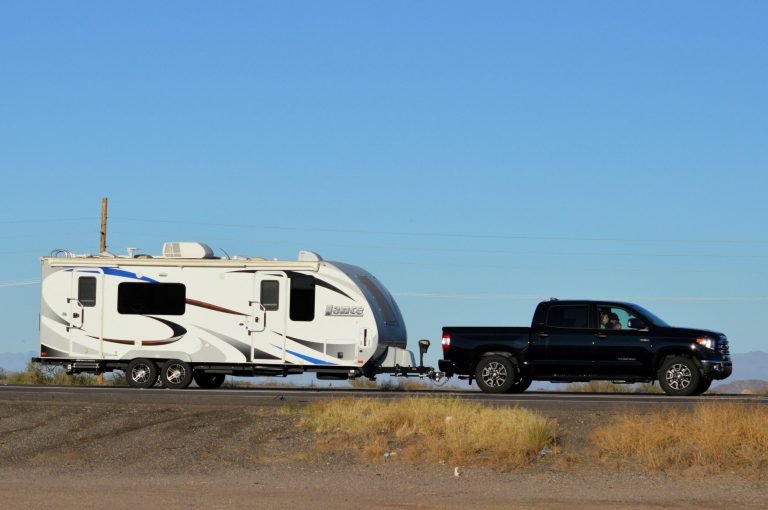
Older RV removal often benefits from specialized services that go beyond standard towing solutions. Vintage motorhomes come with unique characteristics such as classic construction methods aging materials and specific handling needs which many general providers are not equipped to manage. rv removal in Phoenix AZ are well prepared to assist with older units of any age or condition. These specialists use the right equipment to handle aging structures safely and understand the construction styles used in vintage RVs. They also work closely with approved disposal facilities and maintain certifications to responsibly manage materials like asbestos and lead ensuring a smooth and reliable removal process.
Hazardous material complications
Vintage RVs contain materials banned in newer construction. Asbestos insulation surrounds furnaces and water heaters in pre-1980 units. Lead paint covers walls and cabinets. PCB-containing transformers sit in electrical systems. Mercury switches control thermostats. Formaldehyde resins off-gas from pressed wood products. Removal requires certified hazmat technicians following EPA protocols. Containment during dismantling prevents fibre release. Personal protective equipment protects workers. Disposal follows strict regulations with specialised facilities accepting asbestos waste. Lead paint stabilisation prevents dust during handling. Testing determines presence before work begins. Abatement costs add substantially to removal expenses. Many services refuse older RVs, avoiding hazmat complications entirely.
Structural handling challenges
Aged construction methods differ from modern techniques, requiring specialised knowledge. Wooden framing absorbs moisture, causing dimension changes and weakness. Aluminium frame corrosion creates structural failures. Rivet connections loosen over time. Vintage fibreglass becomes brittle and cracks during handling. Older motorhome chassis rust through at stress points. Weight distribution changes as water damage accumulates in floors and walls. Lifting points marked in manuals no longer exist on deteriorated units:
- Reinforcement placement requires understanding original construction methods
- Multi-point rigging distributes loads across multiple surviving structural members
- Protective wrapping prevents exterior panels from tearing during transport
- Speed restrictions reduce vibration stresses on weakened frames
- Partial dismantling removes heavy components before moving fragile shells
Limited salvage value factors
Newer RVs contain valuable components offsetting removal costs. Older units lack salvage potential as parts become obsolete. Appliances use discontinued technologies. Plumbing fixtures use unavailable sizes. Electrical systems operate on outdated voltages. Windows use non-standard dimensions. Furniture styles lack buyer interest. Scrap metal value remains, but mixed materials reduce profitability. Disposal facilities charge full rates without salvage offsets. Services must charge higher removal fees as resale opportunities cannot subsidise costs. Property owners sometimes baulk at quotes, not realising older RVs lack the component value newer units possess, making direct comparison pricing unrealistic.
Disposal facility acceptance
Many recyclers refuse RVs over a certain age. Landfills impose age-based restrictions. Hazardous material concerns make facilities reject vintage units. Mixed construction complicates processing. Specialised RV wrecking yards accepting older units exist in limited numbers. Geographic distance to accepting facilities increases transport costs. Some services maintain disposal relationships developed over years, accepting difficult older units, while other facilities refuse. These connections prove valuable when standard disposal channels reject aged RVs. Providers without established facility relationships cannot guarantee disposal completion, potentially abandoning projects mid-stream.
Finding qualified services requires researching providers specifically advertising older RV acceptance. Questions about hazmat certification, disposal facility relationships, and vintage RV experience reveal capability levels. References from previous older RV projects demonstrate experience versus theoretical willingness. Detailed quotes accounting for age-related complications prevent mid-project cost increases when difficulties emerge, matching what experienced providers anticipated during initial assessments.