
Category

Service

Category

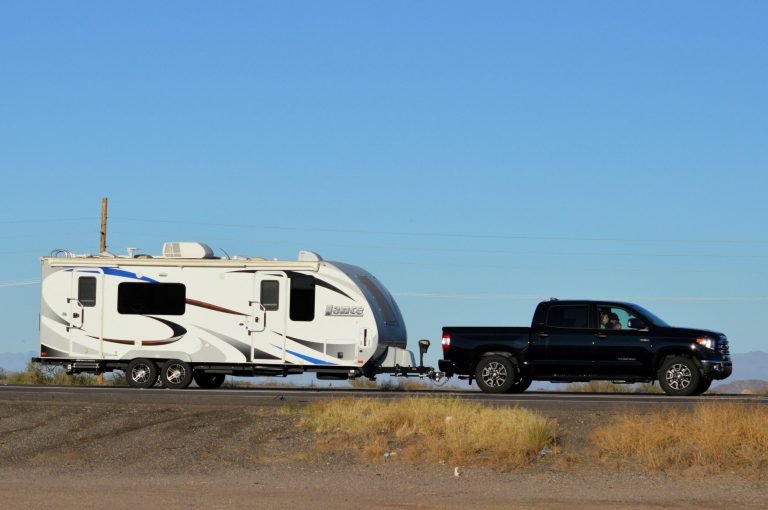
Older RV removal often benefits from specialized services that go beyond standard towing solutions. Vintage motorhomes come with unique characteristics such as classic construction methods aging materials and specific handling needs which many general providers are not equipped to manage. rv removal in Phoenix AZ are well prepared to assist with older units of any age or condition. These specialists use the right equipment to handle aging structures safely and understand the construction styles used in vintage RVs. They also work closely with approved disposal facilities and maintain certifications to responsibly manage materials like asbestos and lead ensuring a smooth and reliable removal process.

Hazardous material complications

Vintage RVs contain materials banned in newer construction. Asbestos insulation surrounds furnaces and water heaters in pre-1980 units. Lead paint covers walls and cabinets. PCB-containing transformers sit in electrical systems. Mercury switches control thermostats. Formaldehyde resins off-gas from pressed wood products. Removal requires certified hazmat technicians following EPA protocols. Containment during dismantling prevents fibre release. Personal protective equipment protects workers. Disposal follows strict regulations with specialised facilities accepting asbestos waste. Lead paint stabilisation prevents dust during handling. Testing determines presence before work begins. Abatement costs add substantially to removal expenses. Many services refuse older RVs, avoiding hazmat complications entirely.

Structural handling challenges

Aged construction methods differ from modern techniques, requiring specialised knowledge. Wooden framing absorbs moisture, causing dimension changes and weakness. Aluminium frame corrosion creates structural failures. Rivet connections loosen over time. Vintage fibreglass becomes brittle and cracks during handling. Older motorhome chassis rust through at stress points. Weight distribution changes as water damage accumulates in floors and walls. Lifting points marked in manuals no longer exist on deteriorated units:

  • Reinforcement placement requires understanding original construction methods
  • Multi-point rigging distributes loads across multiple surviving structural members
  • Protective wrapping prevents exterior panels from tearing during transport
  • Speed restrictions reduce vibration stresses on weakened frames
  • Partial dismantling removes heavy components before moving fragile shells

Limited salvage value factors

Newer RVs contain valuable components offsetting removal costs. Older units lack salvage potential as parts become obsolete. Appliances use discontinued technologies. Plumbing fixtures use unavailable sizes. Electrical systems operate on outdated voltages. Windows use non-standard dimensions. Furniture styles lack buyer interest. Scrap metal value remains, but mixed materials reduce profitability. Disposal facilities charge full rates without salvage offsets. Services must charge higher removal fees as resale opportunities cannot subsidise costs. Property owners sometimes baulk at quotes, not realising older RVs lack the component value newer units possess, making direct comparison pricing unrealistic.

Disposal facility acceptance

Many recyclers refuse RVs over a certain age. Landfills impose age-based restrictions. Hazardous material concerns make facilities reject vintage units. Mixed construction complicates processing. Specialised RV wrecking yards accepting older units exist in limited numbers. Geographic distance to accepting facilities increases transport costs. Some services maintain disposal relationships developed over years, accepting difficult older units, while other facilities refuse. These connections prove valuable when standard disposal channels reject aged RVs. Providers without established facility relationships cannot guarantee disposal completion, potentially abandoning projects mid-stream.

Finding qualified services requires researching providers specifically advertising older RV acceptance. Questions about hazmat certification, disposal facility relationships, and vintage RV experience reveal capability levels. References from previous older RV projects demonstrate experience versus theoretical willingness. Detailed quotes accounting for age-related complications prevent mid-project cost increases when difficulties emerge, matching what experienced providers anticipated during initial assessments.
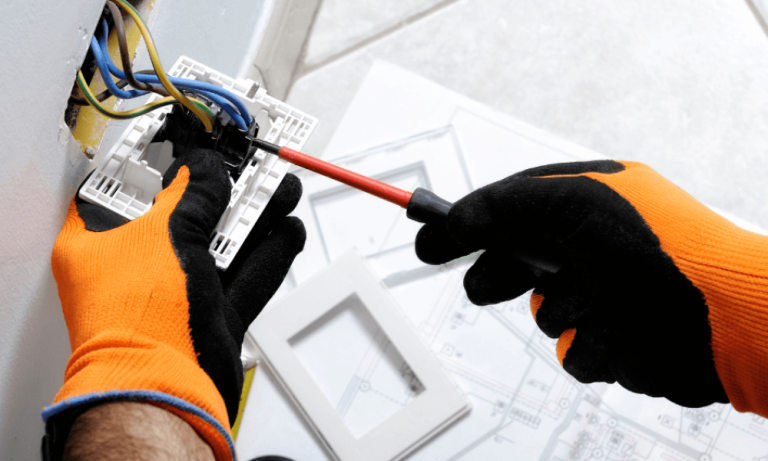
Flickering lights might be more than simply bothersome visual annoyance. Ranging from little annoyances to major safety concerns, they may indicate hidden electrical problems in your house. Ignoring this flickering might mean missing a possible problem that might cause more major harm or perhaps a fire hazard later. Erratic light behaviour is a strong indication that you should bring in a specialist. A certified Service Electrician has the knowledge and equipment required to properly identify the source of the flickering and offer a safe, long-lasting solution immediately.

Unravelling the Mystery of Flickering Lights

Flickering lights have several causes; hence, correct diagnosis is really vital. Occasionally, a loose light bulb or an unsuitable dimmer switch is the source of the problem. On the other hand, flickering could indicate more serious concerns, including poor wire connections within walls, an overloaded circuit trying to power too many items, or even difficulties with the main electrical panel servicing your house. Every possible cause calls for a unique corrective strategy misidentifying the problem might let the underlying problem be unresolved and maybe hazardous.

The Expert Diagnostic Process of the Electrician

Calling a Service Electrician regarding flickering lights doesn’t just mean tightening a bulb and hoping for the best. Their rigorous diagnostic approach helps them to identify the underlying reason. Often evaluating the wire connections beneath faceplates, this includes looking at the particular fixture where the flickering happens and looking at switches and outlets linked to that circuit. Importantly, they will evaluate your electrical panel for indications of overloaded breakers, weak connections, or other possible problems starting with the source of your house electricity.

Professional Solutions for Lasting Stability

A skilled Service Electrician can carry out the required repairs depending on your diagnosis to guarantee the safety of your electrical system and the stability of your lights. Solutions might involve tightening weak connections at fixtures or in the electrical panel, repairing defective switches or outlets, updating old or inadequate cabling, or transferring electrical loads to balance overloaded circuits. Should the issue be with the main panel, they are qualified to carry out any repairs or advise modifications.

Don’t wait: Address flickering lights now

Ignoring flickering lights is never recommended. It is a possible warning sign that ought not to be ignored. What might appear to be a small bother but really be a sign of a major safety risk, such as overheated wiring that could cause a fire. Contacting a Service Electrician right away can help avoid more damage, safeguard your property, and, most importantly, guarantee the safety of all those in your house. Don’t delay handling this problem; contact a competent expert right now to get those flickering lights restored and bring stability and peace of mind back to your electrical system.

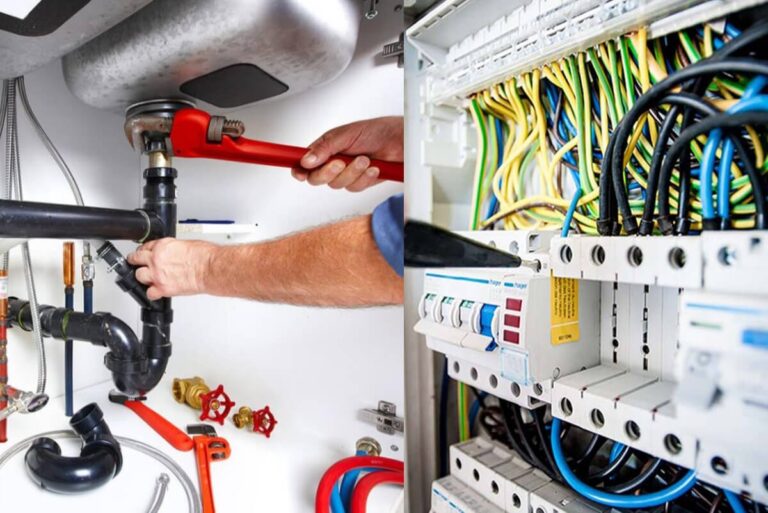
Plumbers and electric companies often work together on projects to ensure that homes and buildings have safe and efficient plumbing and electrical systems. While their roles may differ, both are essential for ensuring that a project is completed successfully. In this article, we will explore how plumber and electric companies work together on projects, the benefits of collaboration, and how their teamwork contributes to the overall success of a project.

1. Planning and Design

Before any work begins, plumbers and electric companies work together to plan and design the plumbing and electrical systems for a project. This involves determining the placement of pipes, fixtures, outlets, and wiring to ensure that they meet the needs of the building and comply with building codes and regulations. By collaborating during the planning and design phase, plumbers and electric companies can ensure that their systems work together seamlessly and avoid potential conflicts during installation.

2. Installation

During the installation phase, plumbers and electric companies work together to install the plumbing and electrical systems according to the plans and specifications. This often involves coordinating their work to ensure that pipes and wiring are installed in the correct locations and do not interfere with each other. For example, plumbers may need to install pipes in a wall where electricians also need to run wiring. By working together, they can ensure that both systems are installed properly and do not cause any issues.

3. Coordination

Throughout the project, plumbers and electric companies must coordinate their work to ensure that everything is installed correctly and on schedule. This may involve regular communication to discuss progress, address any issues that arise, and make any necessary adjustments to the plans. By coordinating their work, plumbers and electric companies can ensure that the project stays on track and is completed in a timely manner.

4. Inspection and Testing

After the plumbing and electrical systems are installed, both must be inspected and tested to ensure that they meet building codes and regulations. Plumbers and electric companies work together to conduct these inspections and tests, making any necessary adjustments to ensure that everything is working properly. This ensures that the systems are safe and efficient for the occupants of the building.

5. Benefits of Collaboration

Collaboration between plumbers and electric companies offers several benefits, including:

  • Improved efficiency: By working together, plumbers and electric companies can streamline the installation process and avoid delays.
  • Better communication: Regular communication between plumbers and electric companies ensures that everyone is on the same page and reduces the risk of misunderstandings.
  • Higher quality work: Collaboration allows plumbers and electric companies to share their expertise and ensure that the systems they install meet the highest standards.

6. Conclusion

In conclusion, plumbers and electric company play a crucial role in ensuring that homes and buildings have safe and efficient plumbing and electrical systems. By working together on projects, they can ensure that everything is installed correctly, meets building codes and regulations, and is completed on schedule. Their collaboration benefits both the project and the people who will use the building, making it an essential part of any construction project.