
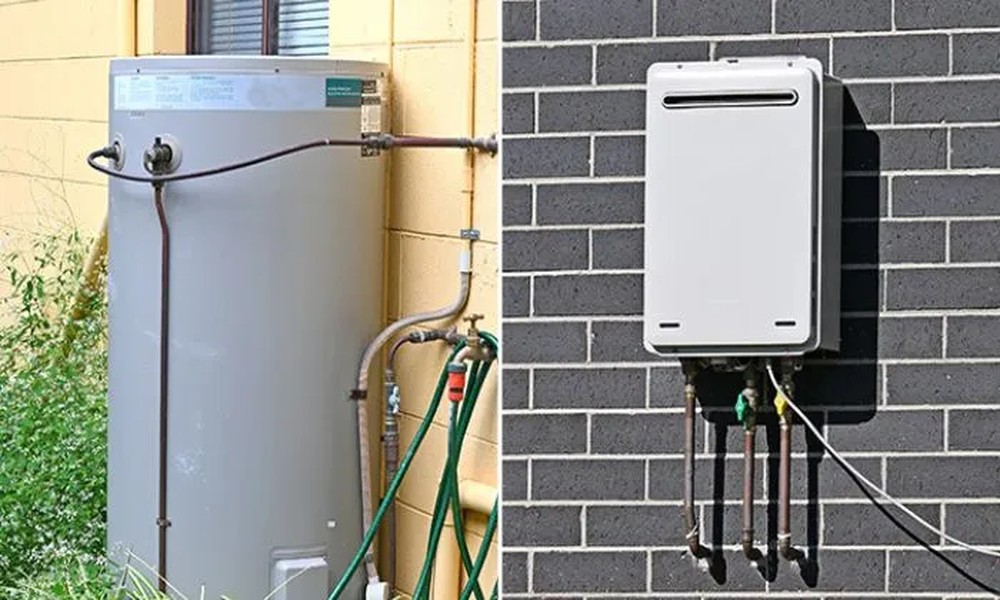
Families often search for simple ways to lower power use while keeping daily needs comfortable. A careful appliance selection can reduce monthly costs while improving regular use across different seasons. People usually compare size, storage ability, running expense, and heating speed before making any choice. Understanding how to choose a hot water system helps owners avoid future repair troubles while keeping energy use balanced. Careful planning also supports cleaner indoor living because suitable equipment performs smoothly without wasting resources. A proper setup gives steady heating while protecting household spending during long-term use for growing family demands.
Why Size Choices Matter Today?
A suitable unit size keeps daily activities running smoothly without sudden supply problems. Smaller homes often need compact options because larger tanks waste electricity during regular use. Bigger families require a stronger capacity for bathing, along with cleaning tasks. Correct sizing lowers monthly spending significantly.
Which Features Improve Daily Savings?
Useful functions help owners reduce unnecessary heating during busy routines inside active homes. Timers allow better control over operating periods while insulation slows temperature loss overnight. Smart controls also improve comfort because heating levels remain stable throughout regular activities without creating excessive electricity consumption.
Could Simple Checks Improve Usage?
Small inspections improve performance while lowering unnecessary strain during ordinary household activity.
• Clean outer surfaces weekly for smoother operation.
• Check heating controls during seasonal weather changes.
• Remove buildup carefully from storage tank sections.
• Inspect loose fittings before leakage problems appear.
• Keep surrounding areas clear for safer airflow.
How Can Storage Affect Performance?
Storage capacity directly shapes heating reliability during morning routines inside active properties every day. Insufficient storage creates interruptions because the warm supply disappears quickly during repeated use. Larger containers maintain stronger availability while reducing repeated reheating cycles that normally increase household energy costs over time.
Why Does Insulation Reduce Expenses?
Quality insulation prevents unnecessary temperature loss during long inactive periods throughout ordinary schedules. Well-protected tanks maintain warmth longer, which reduces repeated heating activity every day. Better insulation also supports dependable performance because stored warmth remains steady during demanding usage across larger family environments regularly.
What Maintenance Steps Prevent Problems?
Regular care keeps equipment operating properly while lowering the chances of unexpected repair issues later. Cleaning buildup around internal components improves heating movement through the unit efficiently. Simple inspections also help owners notice worn connections before larger troubles create expensive replacement situations within residential properties over time.
How Do Controls Support Efficiency?
Modern control settings improve comfort through easier heating adjustments during changing household routines daily. Adjustable temperatures prevent excessive electricity use because owners manage warmth according to personal needs. Proper controls also improve safety since overheating risks become lower during continuous operation throughout busy weekly activities indoors.
Why Compare Running Costs Carefully?
Purchase price alone never explains true value during long-term ownership inside active homes. Some cheaper models consume larger amounts of electricity throughout regular operation periods. Comparing yearly running charges helps families choose dependable equipment that supports lower expenses while maintaining consistent indoor heating during everyday activities.
Will Careful Planning Reduce Waste?
Thoughtful preparation supports balanced energy use across busy family schedules every season.
• Compare unit capacities before making important purchasing decisions.
• Review operating expenses during yearly budget preparation periods.
• Choose durable materials supporting dependable indoor heating performance.
• Monitor heating patterns for stable monthly electricity spending.
• Seek reliable guidance before selecting suitable household equipment.
Careful planning creates better comfort while protecting family spending from rising electricity charges across changing seasons. Owners benefit from dependable heating through proper maintenance, along with balanced equipment selection suited for regular routines. Efficient appliances also lower unnecessary strain because controlled operation keeps indoor activity running smoothly throughout busy schedules. Learning how to choose a hot water systemsupports wiser decisions that improve long-term savings while maintaining reliable indoor performance every day.

Comments are closed.