
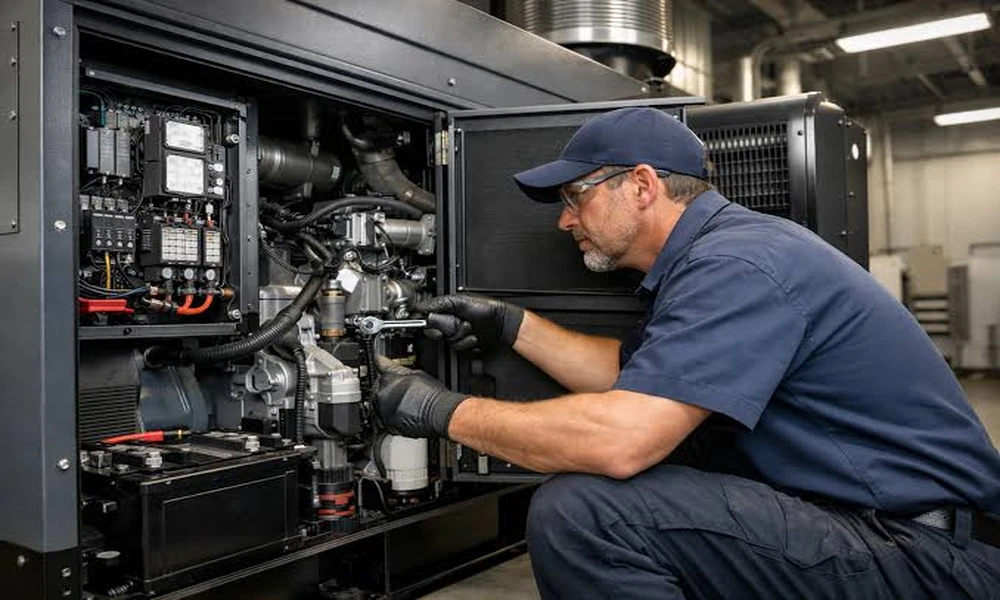
Sudden power outages in hospitals, data centers, phone centers, and the manufacturing industry are not always obviously minor inconveniences; they can disrupt mission-critical activities. Such activities can damage suspended equipment and threaten protection, while costing businesses significant amounts of money. In those centers, it is miles and miles important to ensure a reliable source of backup power to guarantee continuity.
The installation of an industrial standby generator is vital, although merely installing the system alone is not enough to ensure proper operation. Sites that use Triple T Critical Power Services can see generator care as part of a bigger plan to keep main systems safe. A good plan for regular checkups, routine load bank testing, and ongoing technical support can help cut down the chance of things going wrong when backup power is needed most.
Where Standby Generator Systems Are Most Vulnerable
Even the best generators can have trouble when you do not take care of each part. The generator can stop working, and some things may not work. It is important to look at these points:
| Failure Point | Potential Risk | Preventative Focus |
|---|---|---|
| Fuel system | Stale fuel, water contamination, or microbial growth can interfere with startup and combustion. | Fuel-quality checks, tank inspections, and contamination control |
| Starting batteries | A weakened or discharged battery may prevent the generator from starting during a grid failure. | Voltage testing, terminal inspections, and scheduled battery replacement |
| Cooling system | Degraded coolant, damaged hoses, or restricted airflow can cause overheating under load. | Coolant analysis, hose inspections, and radiator maintenance |
| Mechanical components | Belt wear, leaks, lubrication issues, and sensor faults can reduce reliability. | Routine inspections and timely component servicing |
How the battery loses power is important. A generator will not work if the battery does not start up when you need it. You should look at and test the battery often. Do not wait for a problem to start before you see if it works.
Building a Disciplined Maintenance Program
Preventive work should have a set plan. It is not good to rely just on random fixes. A strong program will list common steps. This can be things like checking machines, making sure fluids are right, and looking at electrical parts.
Technicians need to look at oil and coolant levels. They should check over belts, hoses, and wiring. The battery connections must be looked at, too. Fuel systems and exhaust parts need to be checked for leaks or rust. Make sure automatic switches work as they should. A generator that starts but does not send out power is not a full backup.
Why Load Bank Testing Matters
A quick no-load generator test can show that the engine will start. But this test will not always show if the system will be good when there is real need for it. Load bank testing helps with this by adding an electrical load to the generator. This way, people get to see how well the generator works.
Regular load testing can help facilities:
- Make sure the generator keeps giving the right amount of power.
- Watch engine heat and how well it cools when you use it a lot.
- Find out if there are changes in voltage or how often power goes up and down.
- Make sure the safety systems and controls work the right way.
- Lower the risk of wet stacking in diesel engines that run too often at low loads.
The right time to test and how much to use the generator should be set by what the maker tells you, what the building needs, and the rules for this. Testing should be done by people who know what they are doing. They need to follow safe steps.
Connecting Emergency Power to the Wider Electrical System
A generator works because many parts work together. For emergency power, you need switches, gear for splitting power, safety devices, wires, and all the things that use power to be in good shape. If there is a problem in any part of the system, backup power may not get to the things that need it.
For this reason, when you plan generator upkeep with high-voltage distribution work, upgrades to the control board, and checks on the electrical system, you can cut down on missed duties. A coordinated way of working also helps people see how the generator fits with the bigger power setup in the building.
Compliance is an important thing that you need to think about. Places like hospitals, data centers, factories, and places run by the city might each have their own rules for backup power. They may also have their own way for testing, keeping records, and staying safe. People who look after a building or site should know all the rules they need to follow. They should check must-have standards, read the maker’s directions, and talk with trained power workers when setting up how they will take care of the backup system.
Moving from Reactive Repair to Proactive Resilience
A mission-critical generator is very important, not just when power is lost. The generator has to be checked often. You need to look after the fuel, check the parts, test the load bank, and work with the electrical team. All these steps help the generator be able to help in any emergency.
In the end, emergency power will only work as it should if you look after it the right way. When you work with experts like Triple T Critical Power Services, your building can set up a better way to handle care, fast problems, and power systems that last over time. This helps make sure your backup power will be ready when you need it most.

Comments are closed.