
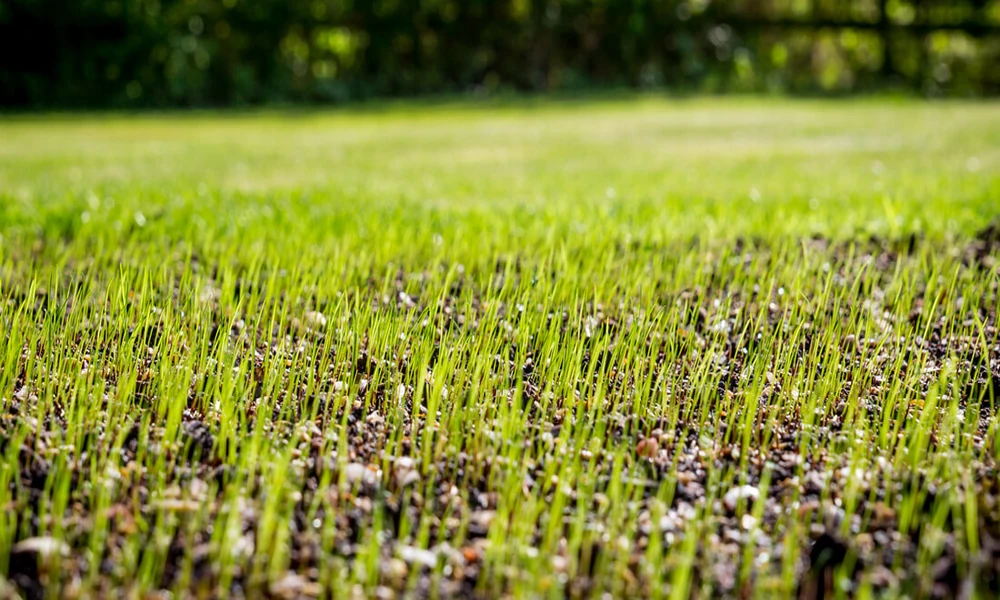
Texas summers test lawns harder than any fertilizer can fix. August survival starts at the seed bag, not the hose. Planting texas native turf seeds brings proven heat tolerance home. These species evolved through centuries of scarce prairie rain. Root depth, dormancy, timing, and upkeep explain their staying power.
Deep Roots Reach Moisture Shallow Sod Misses
Buffalograss can push roots five to six feet down. St. Augustine, by comparison, rarely passes a single foot. That depth matters once topsoil turns to dust. Lower soil layers hold moisture for weeks after a storm. Native plants tap that reserve while imported turf browns. In effect, the lawn drinks from last month’s rain.
Why Does Dormancy Protect Native Lawns?
Dormancy works like a survival switch, not a death sentence. During extended drought, blue grama and buffalograss turn tan. Growth stops, and the crown conserves stored energy. Once rain returns, green blades reappear within two weeks. Homeowners often mistake this pause for failure and overwater. Patience, though, saves both the stand and the utility bill.
Which Species Fit Each Texas Region?
Matching seed to rainfall zone prevents costly reseeding later.
- Buffalograss thrives across the Panhandle and North Texas.
- Blue grama handles West Texas caliche and wind.
- Curly mesquite spreads across Hill Country limestone.
- Sideoats grama suits sunny slopes needing taller cover.
Blending texas native turf seeds covers mixed soil conditions.
Spring Soil Temperatures Decide Germination Success
Warm-season natives refuse to sprout in cold ground. Seeding works best between April and June. By then, soil sits above sixty degrees Fahrenheit. Treated buffalograss burs germinate faster than raw ones. Rake seed a quarter inch deep, then roll firmly. Light daily watering continues for about three weeks. Skipping that step wastes the entire investment.
What Upkeep Do Established Native Lawns Need?
Maintenance drops sharply after the first season.
- Mowing happens every three weeks.
- Blades stay three inches tall.
- Fertilizer goes down once yearly.
- Deep soaking occurs monthly in drought.
Heavy nitrogen invites weeds that crowd natives out.
Six-Foot Roots Rewrite Summer Watering Math
A buffalograss root six feet down changes the equation entirely. The yard stops being a pure water expense. Instead, it banks spring storms underground for later use. A St. Augustine lawn demands roughly an inch weekly. Natives can coast through July on that buried supply. Across a whole neighborhood, the gap eases municipal watering restrictions.
FAQs
Can native turf handle regular foot traffic?
Buffalograss tolerates moderate play from kids and pets. Heavy sports use, however, calls for occasional overseeding.
How long until a seeded native lawn fills in?
Full coverage takes one to two growing seasons. Weed control during year one speeds establishment.
Do native lawn species grow in shade?
Most Texas natives demand six or more hours of sun. Shaded spots suit sedges or groundcovers instead.
Can natives be overseeded into an existing lawn?
Overseeding into thick St. Augustine rarely succeeds. Removing old sod first gives seedlings room to establish.

Comments are closed.