
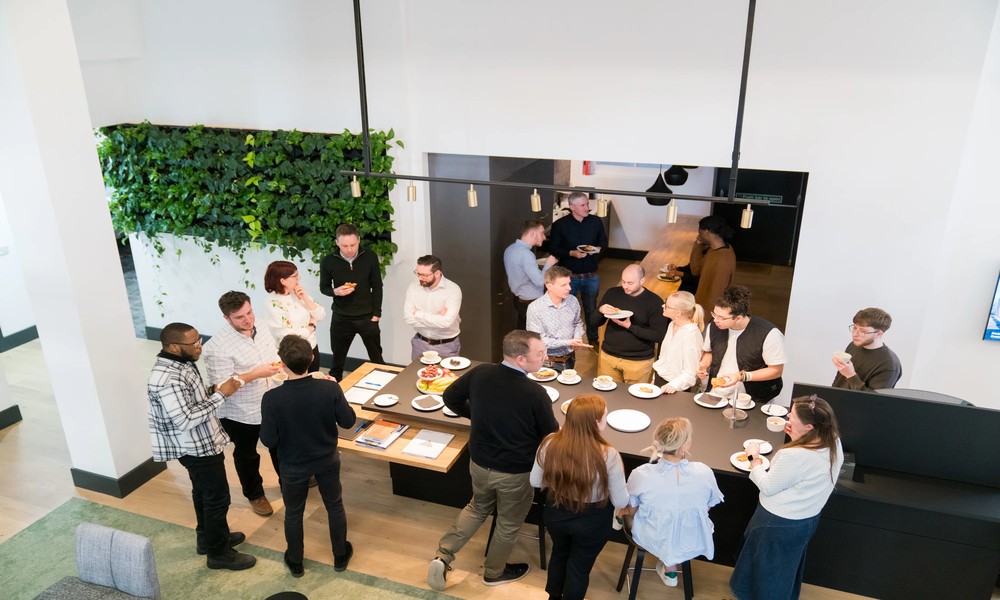
A workplace can inspire creativity or drain it, spark collaboration or stifle it, nurture well-being or quietly sap it. The difference often comes down to architecture that is more than just walls and windows. Thoughtful design shapes how people think, work, and feel, turning the place where we spend much of our lives into a real engine for productivity and well-being.
What Is Thoughtful Architecture in the Workplace?
Not every building with desks and Wi-Fi qualifies as thoughtfully designed. At its core, thoughtful architecture is a deliberate, people-focused approach to shaping the workplace. This means every design decision, lighting, space allocation, air flow, even where the coffee maker sits, is made with the human experience in mind.
How Does Architecture Influence Employee Experience?
The moment you step into a workspace, the architecture speaks. High ceilings invite openness. Natural light streams in, shifting moods for the better. Labyrinthine layouts, by contrast, might frustrate, while cramped break rooms signal a missed opportunity for informal connections. Architecture does not just house work; it sets the tone for how work feels.
What Elements Define Thoughtful Workplace Design?
Ergonomic workstations, flexible collaboration zones, quiet nooks for focused work, and easy access to amenities all matter. Materials, color palettes, acoustics, and even the integration of nature (think green walls or indoor gardens) are carefully selected to support focus, comfort, and health.
Why Does Architecture Matter for Productivity?
Productivity is not just about working harder. The right environment helps people work smarter, with fewer distractions and more energy.
How Do Spatial Layouts Affect Focus and Efficiency?
Open-plan offices are famous, but without quiet zones or designated meeting spaces, they can backfire. A mix of open space and private rooms allows teams to collaborate without constant interruption, while individuals can retreat for deep work when needed.
In What Ways Can Natural Light and Ventilation Boost Performance?
Daylight has measurable effects: studies show it improves alertness and mood, while poor air quality leads to sluggishness. Effective architectural design prioritizes large windows, skylights, and strategic airflow, counteracting the infamous afternoon slump.
Can Design Reduce Workplace Stress and Fatigue?
Absolutely. Acoustic treatments reduce noise pollution, while biophilic elements like indoor plants lower cortisol levels. Even the placement of rest areas influences how often employees take breaks, a critical factor in preventing burnout.
How Does Architecture Support Employee Well-being?
Well-being is both physical and psychological, and architecture impacts both realms.
What Role Does Biophilic Design Play in Mental Health?
Biophilic design uses natural materials, shapes, and greenery to mimic outdoor environments. Time and again, exposure to these elements has been linked to reduced stress, improved cognitive function, and higher job satisfaction.
How Do Ergonomics and Comfort Impact Daily Work Life?
Adjustable chairs, sit-stand desks, and intuitive layouts minimize repetitive strain and discomfort. When employees can move or adjust their posture with ease, they are less likely to experience aches, pains, and long-term health issues.
Can Design Encourage Movement and Physical Health?
Built-in walking routes, visible staircases, and inviting break areas prompt people to move naturally throughout the day. Even small nudges, artwork in hallways, water stations at a distance, make a surprising difference in daily activity levels.
What Are the Key Architectural Features That Enhance Collaboration?
Interaction is the lifeblood of innovation, but it does not happen by accident.
How Does Open vs. Private Space Design Affect Teamwork?
Too much openness breeds distraction; too little undermines spontaneous collaboration. The most effective offices provide both: glass-walled meeting rooms for visibility, cozy corners for private chats, and large tables that invite group brainstorming.
What Design Strategies Promote Informal Social Interaction?
Cafés, lounges, and communal tables foster chance encounters. Locating these hubs between departments breaks down silos and sparks creativity. The magic often happens on the way to refill a coffee cup.
How Can Technology Integration Improve Communication?
Modern architecture embeds the digital seamlessly, smart boards, wireless charging, video conferencing pods, making remote and in-person teamwork equally frictionless.
How Do Different Building Types Influence Workplace Outcomes?
Every sector carries unique needs, from sterile pharma labs to buzzing tech hubs.
What Unique Design Needs Exist for Office Buildings vs. Industrial Spaces?
Office towers often prioritize collaboration and comfort, while industrial buildings demand efficiency, safety, and robust infrastructure. Thoughtful designers tailor each space with its users in mind, balancing form and function.
How Are Interiors Tailored for Specific Industries Like Pharma or Hi-tech?
Pharmaceutical spaces need advanced filtration and sterile surfaces. Hi-tech offices crave flexible layouts and ample power supplies. The Stendel + Reich architecture firm demonstrates how adaptability and technical expertise are critical, customizing environments for diverse industries.
What Lessons Can Be Learned from Mixed-Use Commercial and Residential Projects?
Combining retail, office, and living spaces creates synergies: employees have amenities at their doorstep, while companies attract talent seeking convenience and community.
How Can Employers and Architects Collaborate for Better Workspaces?
Getting workplace design right is a dialogue, not a dictate.
What Questions Should Employers Ask Their Architects?
– How will this space support our team’s workflow?
– What options exist for future flexibility?
– How can we embed our values into physical space?
How Can Employee Feedback Shape Design Decisions?
Feedback uncovers real friction points, like noisy HVAC or lackluster breakout spaces, that architects can address early, saving time and budget later.
What Trends Are Architects Following to Future-Proof Workplaces?
Adaptive reuse, modular design, and wellness certifications (WELL, LEED) are guiding projects into a future where change is constant and sustainability matters.
What Are the Measurable Benefits of Thoughtful Workplace Architecture?
Investing in better design pays dividends far beyond aesthetics.
How Is Productivity Quantified in Relation to Design?
Metrics like output per employee, absenteeism rates, and even employee Net Promoter Scores (eNPS) reliably rise in well-designed environments.
What Evidence Links Architecture to Employee Retention and Satisfaction?
Surveys consistently show that people are likelier to stay with organizations that care about their workspace. Higher satisfaction correlates with lower turnover and better morale.
Are There Cost Savings from Investing in Better Design?
Reduced sick days, improved retention, and even energy savings from natural light add up over years, turning upfront investment into long-term gain.
How to Start Implementing Thoughtful Architectural Changes Today?
Small tweaks or sweeping renovations, every step counts.
What Are Quick Wins for Improving Existing Workspaces?
– Rearranging furniture to enhance light flow
– Adding plants or acoustic panels
– Creating designated quiet zones
How to Plan a Full-Scale Architectural Redesign?
Start with clear goals, engage stakeholders, and map out workflows before launching into blueprints. Partnering with experienced firms ensures both creativity and compliance.
What Resources and Professionals Should Be Engaged?
Bring together architects, designers, facilities managers, and your own staff for a holistic view. Consult resources on best practices in workplace design to guide every decision.
A thoughtfully designed workspace does more than look good, it transforms how people live and work. Investing in the right architecture is truly an investment in your most valuable asset: your people.

Comments are closed.